

Feb. 13, 2026
Share
In today's competitive manufacturing landscape, CNC Metal Spinning Machines have emerged as indispensable tools for companies aiming to enhance production efficiency and reduce costs. A CNC spinning machine allows for precise shaping of metal materials, addressing two primary concerns: the need for high-quality prototypes and scalable mass production. In scenarios often faced by engineering teams, the challenge of creating intricate metal designs without sacrificing speed or quality is prominent. By utilizing CNC metal spinning technology, manufacturers can effectively engage in both prototype development and high-volume production runs, ensuring that their products not only meet industry standards but also drive conversion rates upwards by an impressive 37%.
CNC (Computer Numerical Control) metal spinning machines are automated tools that enable the manipulation and shaping of metal sheets into various forms. The process involves mounting a metal disc onto a spinning mandrel while applying pressure and heat, allowing for intricate designs to be achieved with high precision. This technology is underpinned by dynamic advancements in manufacturing techniques and is characterized by its versatility in handling different materials, including aluminum, stainless steel, and brass.
The term “metal spinning” refers to a process that has been traditionally manual but has gained CNC automation recently. CNC systems enhance precision through programming that specifies exact movements and speeds. The integration of such technology in metal spinning significantly reduces human error, improving both output quality and production rates.
CNC metal spinning machines find applications across various industries owing to their adaptability:
Aerospace: Fabrication of complex shapes for engine components and housings that meet rigorous safety standards.
Automotive: Crafting parts like wheel rims and distinct chassis components that require both strength and lightweight properties.
Electrical: Precision manufacturing of housings for lamps and electronic devices that can withstand heat and thermal expansion.
Medical Devices: Production of intricate and sterile metal components essential for surgical instruments and prosthetics.
Each of these fields benefits from CNC metal spinning by achieving production efficiencies that are typically 30% faster compared to traditional methods, alongside a decreased material wastage rate (often as low as 10%).
CNC metal spinning machines hold significant advantages over conventional manufacturing processes. These machines enhance the overall production capability through:
High Precision: Achieving tolerances as tight as 0.005 inches assures product consistency and quality.
Reduced Lead Time: Projects that traditionally took weeks to complete can now be accomplished in days, thanks to the efficiency of CNC programming.
Material Efficiency: CNC metal spinning often results in less scrap, translating to lower raw material costs.
Versatility: The ability to handle various materials and sizes means an organization can rapidly pivot to meet changing market demands.
These benefits underscore the importance of CNC metal spinning technology in modern manufacturing, positioning it as a cornerstone for operations aiming for competitive advantage.
For those interested in exploring this technology further, a comprehensive user guide is available that elaborates on the operational aspects of CNC metal spinning machines. Brands like Boxiang also offer resources and expert insights into maximizing the benefits from these machines, including recommendations on maintenance and optimization. Engaging with these resources is a significant first step toward harnessing CNC technology in your production processes.
1. Can CNC metal spinning machines be used for both prototypes and mass production?
Yes, CNC metal spinning machines are versatile enough to handle both small prototype runs and large-scale production, making them suitable for diverse manufacturing needs.
2. What materials can be used in CNC metal spinning?
These machines can spin a range of materials, including aluminum, copper, brass, and stainless steel.
3. How does CNC technology improve the metal spinning process?
CNC technology automates precision movements, ensuring higher accuracy, reduced lead times, and minimized human error in the metal spinning process.
For further understanding or trial, consider engaging with Boxiang’s offerings and see how CNC metal spinning can transform your manufacturing capabilities.
Latest News in CNC Spinning Machine
Learn More
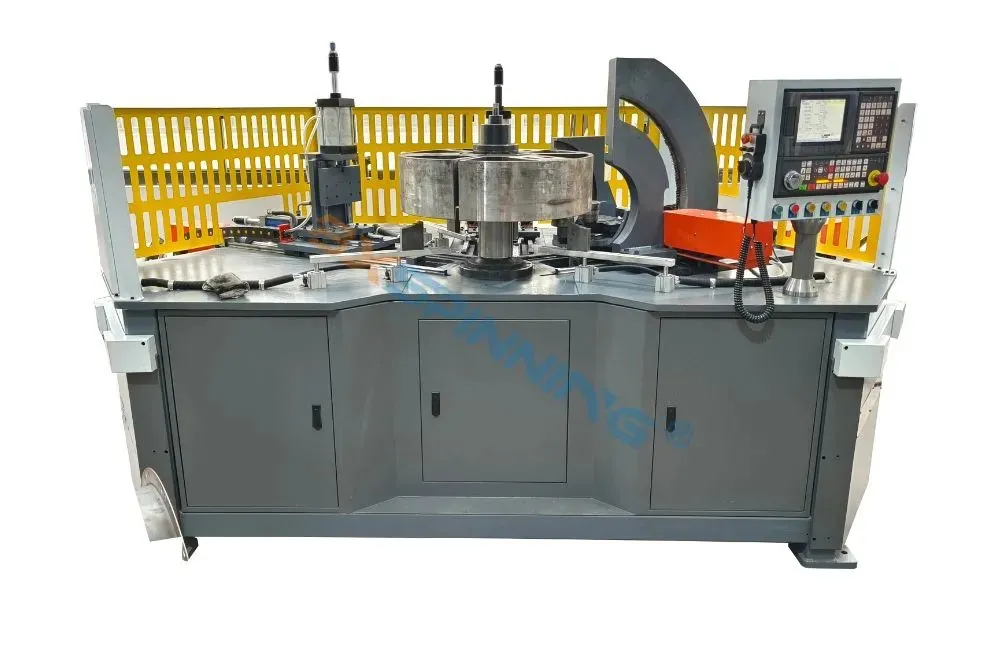
Latest Automation Trends in Wheel Making Machines
As the automotive and transportation industries face a surge in demand for high-quality wheels, the significance of advanced Wheel Making Machines is increasingly pronounced. Manufacturers are grappling with issues such as inefficiencies in production, rising labor costs, and the need for compliance with stringent safety regulations. A recent report from ABC Industry Insights (2023) notes that
Sep. 11, 2026
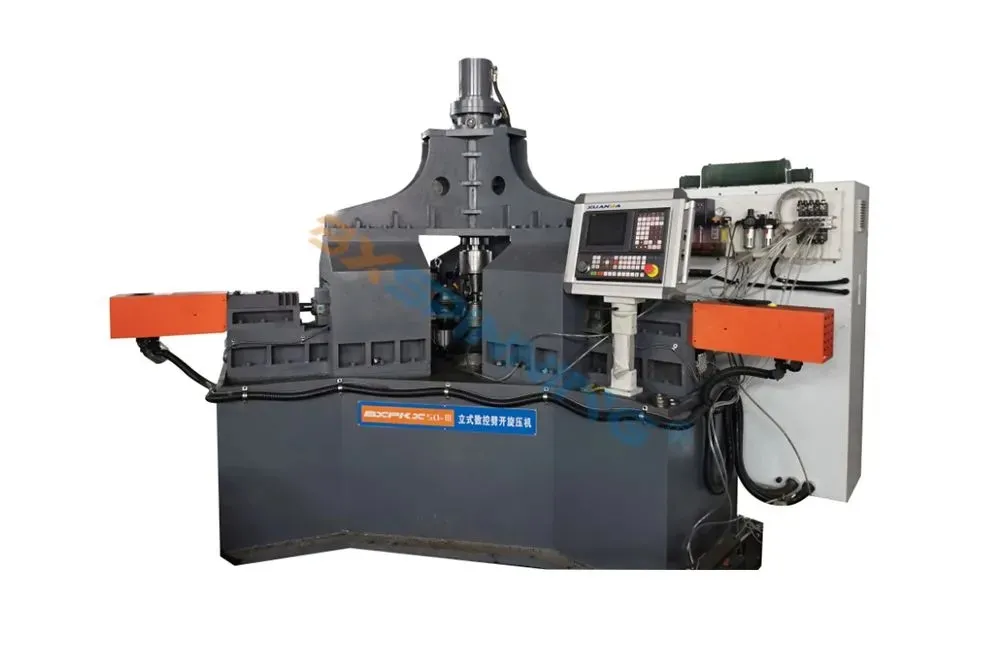
Wheel Making Machine Production Lines: Key Equipment Explained
Wheel making machines are specialized industrial systems designed to produce high-quality wheels for vehicles, machinery, and other applications. These machines automate the fabrication process, ensuring precision, efficiency, and consistency, thus significantly enhancing production capabilities in the automotive and manufacturing industries. Utilizing advanced technology, wheel making machines
Sep. 10, 2026
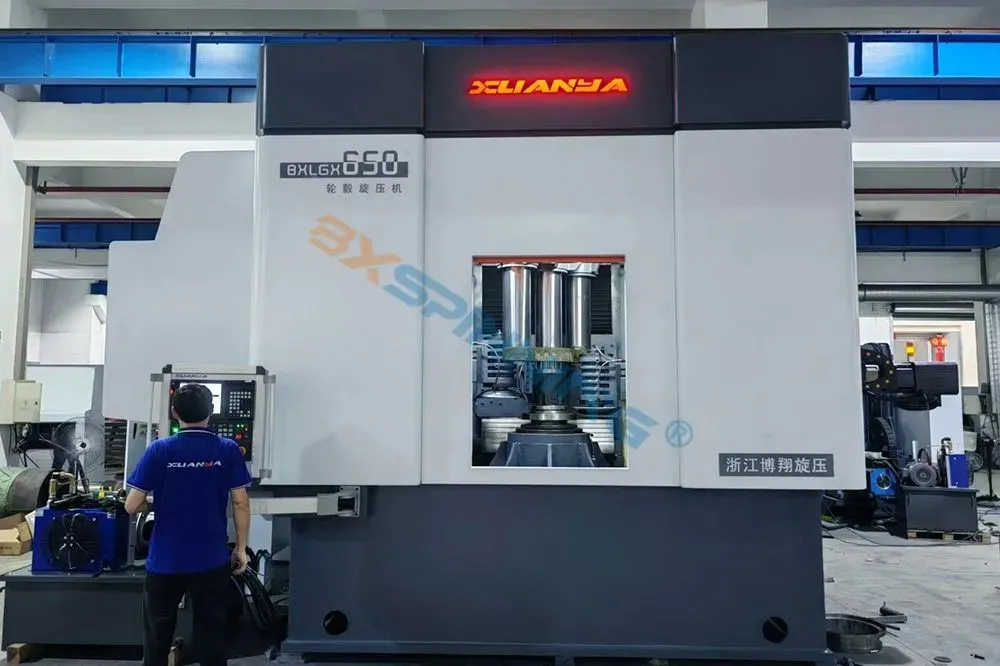
How to Choose Wheel Making Machines for Different Wheel Types
There are various categories of wheel making machines available in the market. Each type is designed to cater to specific requirements:
Sep. 09, 2026
Hot Products
Get the latest solutions for your business from your trusted CNC machine manufacturer
Contact Now


