

Feb. 13, 2026
Share
Before starting the cleaning process, ensure you have the following tools:
Soft cloths
Industrial cleaning solution
Brushes of varying sizes
Compressed air canister
Turn off the CNC machine and disconnect it from power.
Use a soft cloth dampened with the cleaning solution to wipe down the exterior.
Utilize brushes to scrub any built-up grease or debris in hard-to-reach areas.
Blow out dust and debris from electrical compartments using compressed air.
Inspect the machine for loose screws or parts while cleaning.
Using abrasive materials that can scratch surfaces.
Neglecting to clean frequently can lead to performance issues.
Forgetting to power off the machine before cleaning.
Identify all the moving parts that require lubrication, including:
Bearings
Gears
Screws and lead screws
Check the machine's manual for specific lubrication points.
Use a suitable lubricant based on the manufacturer's recommendations.
Apply lubricant using a grease gun or a applicator at each identified point.
Wipe away any excess lubricant to prevent buildup.
Over-lubricating, which can attract dust and debris.
Using the wrong type of lubricant for the machine.
Neglecting lubrication schedules, leading to wear.
Before calibration, ensure you have:
Caliper
Dial gauge
Feeler gauge
Power on the CNC machine and allow it to reach operating temperature.
Measure tool offsets using a caliper and ensure they match specifications.
Adjust any misalignments with the dial gauge.
Perform a test spin to verify that tooling is properly calibrated.
Document calibration settings for future reference.
Skipping the warm-up phase before calibration.
Failing to document changes made during calibration.
Overlooking changes in tooling wear that may affect calibration.
Ensure regular checks on the following components:
Wiring and connectors
Control systems
Power supply units
Turn off the machine and inspect all electrical connections for wear or damage.
Use a multimeter to check the voltage output of the power supply.
Inspect the control systems for any error messages or malfunctions.
Replace any damaged wiring or components immediately.
Record all checks performed for future evaluations.
Ignoring warning signs like unusual noises or error messages.
Failing to tighten electrical connections, leading to shorts.
Delaying repairs on damaged electrical components.
Establish a maintenance schedule based on:
Usage hours
Equipment age
Manufacturer guidelines
Create a calendar that includes daily, weekly, and monthly maintenance tasks.
Assign responsibility for each task to specific team members.
Keep all maintenance logs organized and accessible.
Review and adjust the schedule based on performance observations.
Neglecting the need for maintenance due to time constraints.
Falling behind on maintenance logs, leading to overlooked tasks.
Failing to adjust maintenance strategies based on equipment performance.
Consistent maintenance of your CNC Metal Spinning Machine is crucial for optimal performance and longevity. By following these steps, you can ensure that your machine remains in top condition, minimizing downtime and enhancing productivity. Trust Boxiang for comprehensive machine solutions and quality support for your maintenance needs. //image.chukouplus.com/tools_upload/T_1829/file/20260213/ee2f8da682e223eca1a8c905002b6d34.png
Latest News in CNC Spinning Machine
Learn More
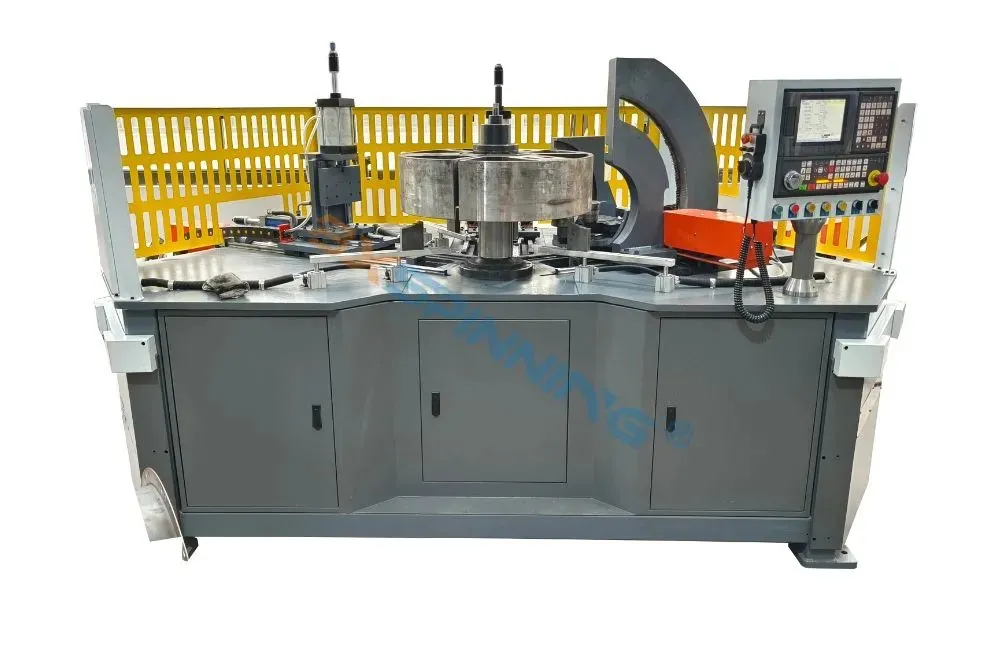
Latest Automation Trends in Wheel Making Machines
As the automotive and transportation industries face a surge in demand for high-quality wheels, the significance of advanced Wheel Making Machines is increasingly pronounced. Manufacturers are grappling with issues such as inefficiencies in production, rising labor costs, and the need for compliance with stringent safety regulations. A recent report from ABC Industry Insights (2023) notes that
Sep. 11, 2026
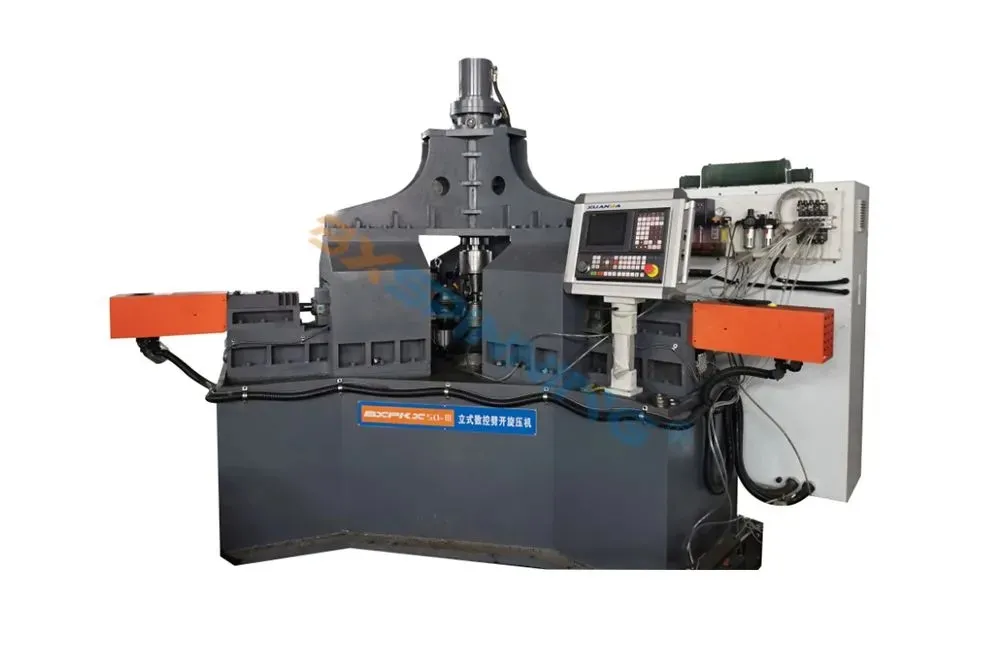
Wheel Making Machine Production Lines: Key Equipment Explained
Wheel making machines are specialized industrial systems designed to produce high-quality wheels for vehicles, machinery, and other applications. These machines automate the fabrication process, ensuring precision, efficiency, and consistency, thus significantly enhancing production capabilities in the automotive and manufacturing industries. Utilizing advanced technology, wheel making machines
Sep. 10, 2026
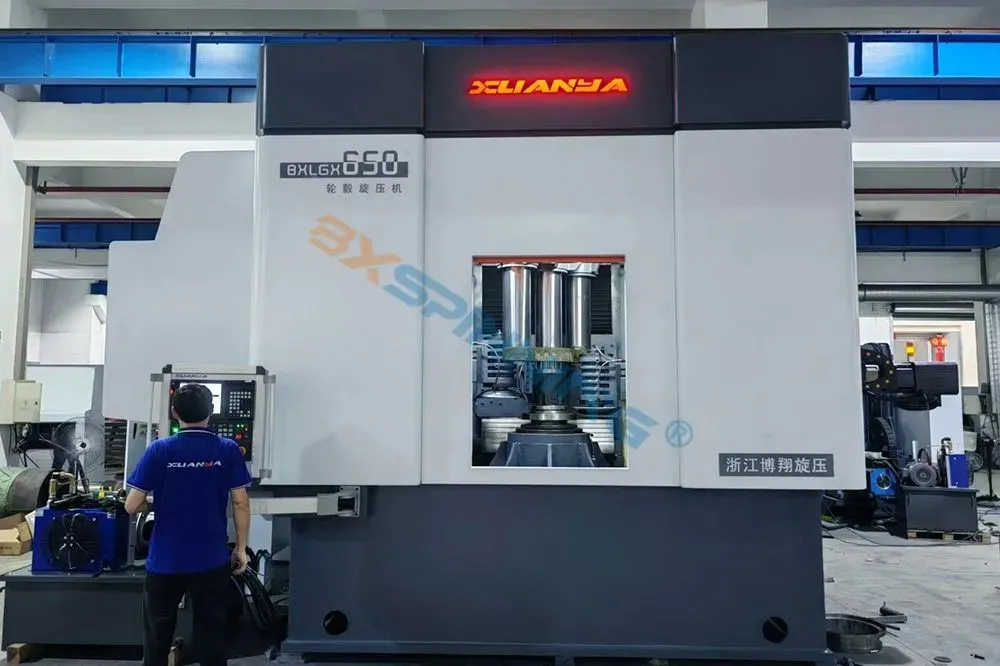
How to Choose Wheel Making Machines for Different Wheel Types
There are various categories of wheel making machines available in the market. Each type is designed to cater to specific requirements:
Sep. 09, 2026
Hot Products
Get the latest solutions for your business from your trusted CNC machine manufacturer
Contact Now


