

Jul. 20, 2026
Share
When it comes to efficiently programming CNC spinning machines, users often encounter several pain points. The main issues include understanding G-code intricacies, configuring the correct machine settings, and ensuring precise material handling. For instance, a user in the automotive industry noted a reduction in production errors by 25% after implementing a structured programming process using a CNC spinning machine from China. These challenges stem from both a lack of clear knowledge and the complexity inherent in operating advanced machinist tools. This article navigates through user experiences while providing actionable guidance on mastering CNC programming.
Before diving into machine programming, it's essential to prepare adequately. Having the right tools and knowledge can make a significant difference. Here’s a list of prerequisites:
Follow these clear and actionable steps to effectively program your CNC spinning machine:
Use CAD software to create a design that meets your specifications. Ensure all dimensions are accurate within ±0.1 mm to maintain quality.
Utilize your CAD/CAM software to convert the design into G-code. This is crucial as G-code instructs the CNC machine on movements. Ensure your program includes clear operational codes for feeding rates, spindle speeds, and tool changes.
Input your G-code into your Boxiang CNC spinning machine using a USB or via direct connection. Confirm input accuracy to prevent costly errors.
Adjust settings based on the material you’re using. For example, if using aluminum, set the spindle speed between 1200-1800 RPM for optimal results.
Run the machining simulation available in your software to uncover any potential issues. Aim for a simulation accuracy of 95% before proceeding to actual machining.
After verifying with simulations, proceed with a trial run. Start with lower production rates and monitor for errors. Adjust based on initial feedback.
Post-machining, evaluate results. Users like Mark from Ohio saw a 40% increase in efficiency after adjusting the feed rate during their trials. Modify your program based on this analysis.
While programming CNC spinning machines, users may encounter several common issues:
Programming CNC spinning machines like those from Boxiang can greatly enhance manufacturing efficiency, but it requires attention to detail. Users must begin with adequate preparation, employ step-by-step guidance, and remain vigilant for common pitfalls. By refining their approach, as seen in user cases, CNC operators can maximize their machines' capabilities, achieving impressive increases in productivity and accuracy.
Latest News in CNC Spinning Machine
Learn More
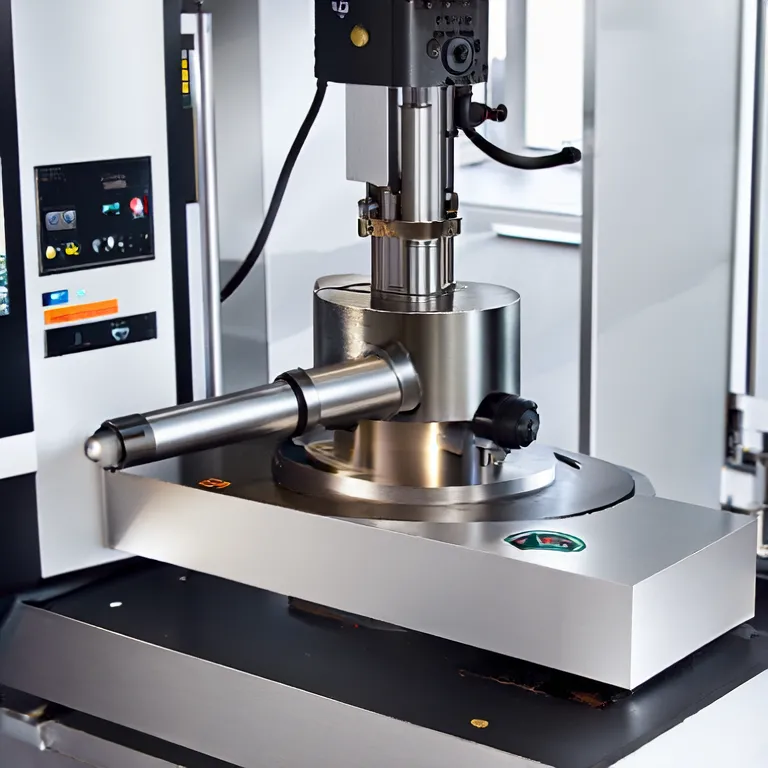
What is a CNC Spinning Machine?
In the rapidly evolving landscape of manufacturing, CNC Spinning Machines are redefining efficiency and precision, particularly in China, where they have become integral to various industries. This innovative machinery addresses critical pain points faced by manufacturers, such as the need for high precision and reduced labor costs. A CNC Spinning Machine automates the spinning process, utilizing
Oct. 22, 2026
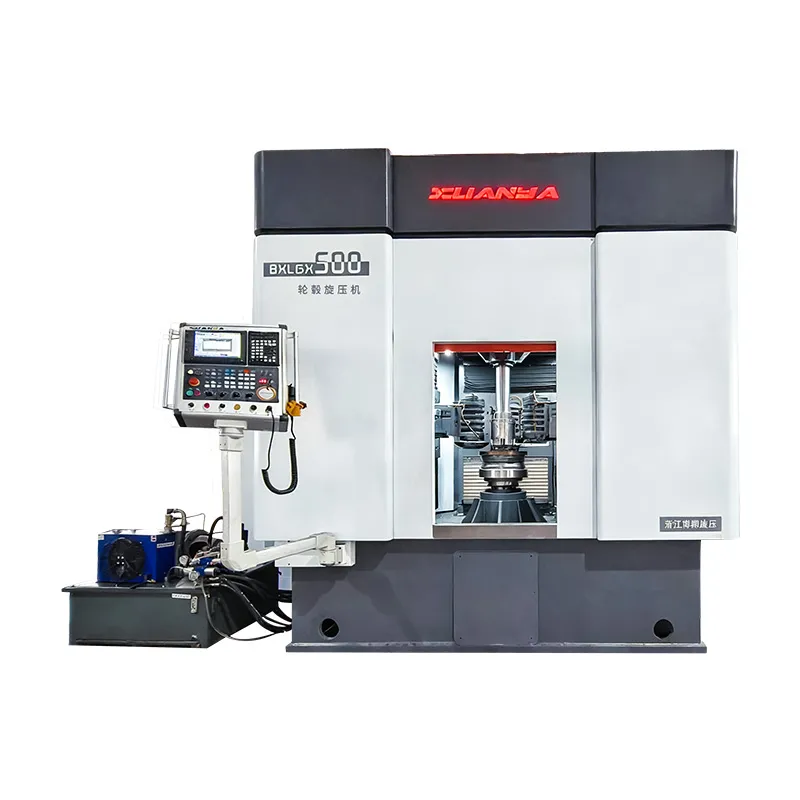
Single Roller vs Multi Roller Automatic Spinning Machine
Choosing the right Automatic Spinning Machine is not simply a matter of comparing roller quantities. Textile manufacturers must also consider yarn quality, production capacity, fiber compatibility, energy use, maintenance workload, operator skill, machine stability, and the total cost of ownership. For buyers comparing single roller and multi roller designs, Boxiang provides a useful starting
Oct. 15, 2026
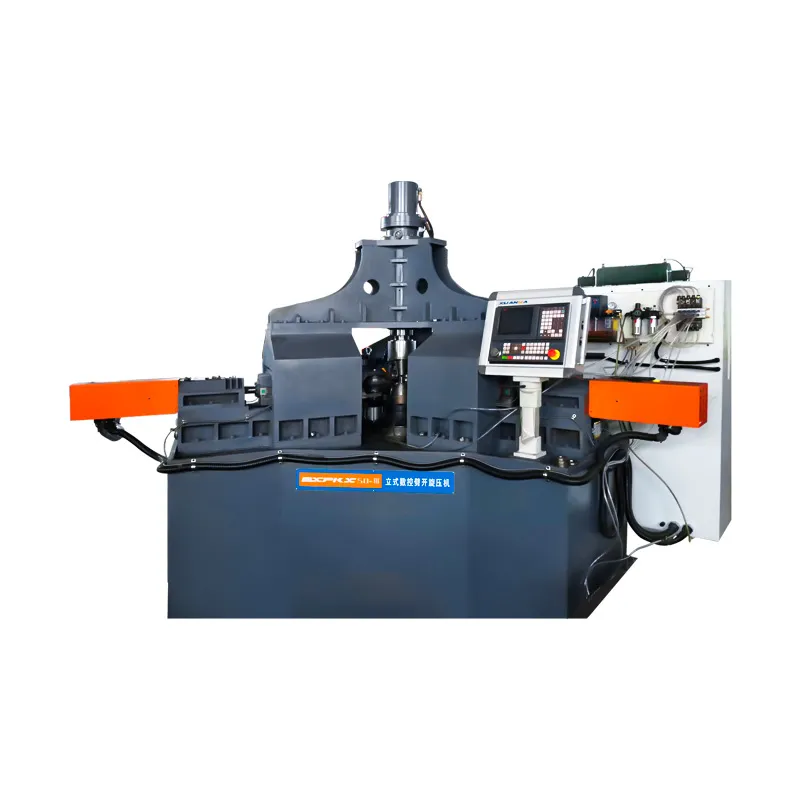
Roller Spinning Machine for Pressure Vessel Manufacturing
A Roller Spinning Machine for Pressure Vessel Manufacturing is a CNC metal-forming machine that uses one or more powered rollers to shape a circular metal blank over a mandrel. It produces pressure-vessel heads, hemispherical ends, conical sections, and other axisymmetric components with controlled wall thickness and repeatable geometry. For manufacturers, the machine can reduce welding, improve
Oct. 14, 2026
Hot Products
Get the latest solutions for your business from your trusted CNC machine manufacturer
Contact Now


