

Aug. 04, 2026
Share
Metal cone forming is essential for industries ranging from aerospace to automotive engineering. If you're an engineer, fabricator, or metalwork enthusiast, you know the immense challenges associated with achieving precise geometries. The solution lies in Double Roller CNC Spinning Machines, which are specifically engineered to streamline and enhance the metal cone forming process. With these advanced machines, manufacturers can significantly reduce waste, minimize labor costs, and or improve production speed. This practical guide delves into the entire process of using roller spinning machines, answering the most pressing user problems with data-backed insights.
Before diving into the intricacies of metal cone forming, it’s crucial to understand some fundamental concepts. Roller spinning machines enable the manipulation of metal sheets into conical shapes using rotational and radial forces. Key terminology includes:
This background sets the stage for understanding the precise advantages offered by machines like Boxiang’s roller spinning models, which boast up to 300 MPa tensile strength, ensuring that even the toughest materials are workable.
Choose the metal type based on the application. Common materials include aluminum (with a density of 2,700 kg/m³) and stainless steel (approximately 7,900 kg/m³). Optimal material selection minimizes deformation and maximizes the final product's structural integrity.
Depending on the specific project, set up your Double Roller CNC Spinning Machine. Ensure that the machine parameters (like the spindle speed, often rated up to 1,200 RPM) are aligned with the material’s properties.
Cut the metal sheets to the appropriate dimensions. Use precision cutting tools to achieve edges with less than 0.5 mm of deviation, ensuring better formability during the spinning process.
Begin the rolling process by positioning the metal correctly between the rollers. Engage the machine gradually, monitoring the material flow, which is often observed at a thickness reduction rate of about 15-20% per pass.
As shaping progresses, adjust the roller pressure. Optimal pressure, typically around 18 MPa, will help achieve superior geometric consistency in the cone.
Conduct dimensional checks using calipers and laser measuring devices, targeting tolerances within ±0.2 mm for high-precision applications.
Post-processing may involve sanding or polishing, enhancing both the aesthetic and functional quality. Using rotary tools with an R-value of less than 0.1 mm surface roughness achieves a visually appealing finish.
The main advantages include reduced material waste by approximately 25%, lower production costs due to decreased labor hours (up to 30 hours saved per project), and improved repeatability of the parts produced.
CNC technology allows for the precise measurement and adjusting of tool paths, resulting in greater accuracy. Studies have shown CNC-machined parts can have tolerances of less than 0.05 mm in high-volume production settings.
While many metals can be formed, aluminum, titanium, and various steel alloys perform exceptionally well in roller spinning due to their weight-to-strength ratios and malleability.
To enhance your skills further, explore the principles of metallurgy alongside machining practices. A deep dive into deformation processing, as discussed in resources from the Journal of Materials Processing Technology, can provide invaluable insights.
For optimal results in metal cone forming, consider Boxiang's range of Double Roller CNC Spinning Machines, designed for precision, efficiency, and versatility. For more detailed inquiries or personalized assistance, feel free to contact Boxiang at Boxiang.
Latest News in CNC Spinning Machine
Learn More
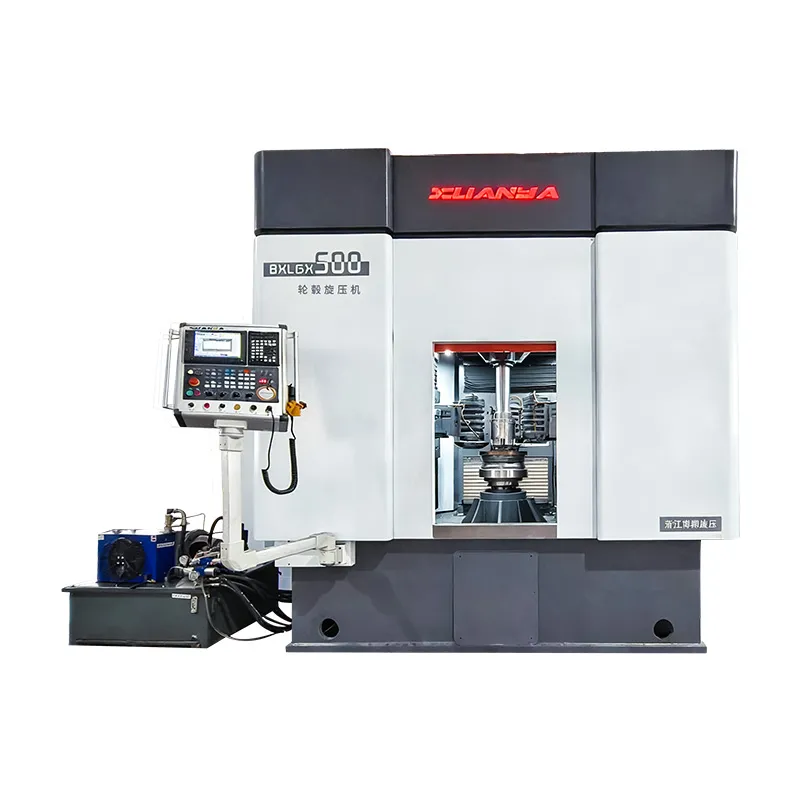
Single Roller vs Multi Roller Automatic Spinning Machine
Choosing the right Automatic Spinning Machine is not simply a matter of comparing roller quantities. Textile manufacturers must also consider yarn quality, production capacity, fiber compatibility, energy use, maintenance workload, operator skill, machine stability, and the total cost of ownership. For buyers comparing single roller and multi roller designs, Boxiang provides a useful starting
Oct. 15, 2026
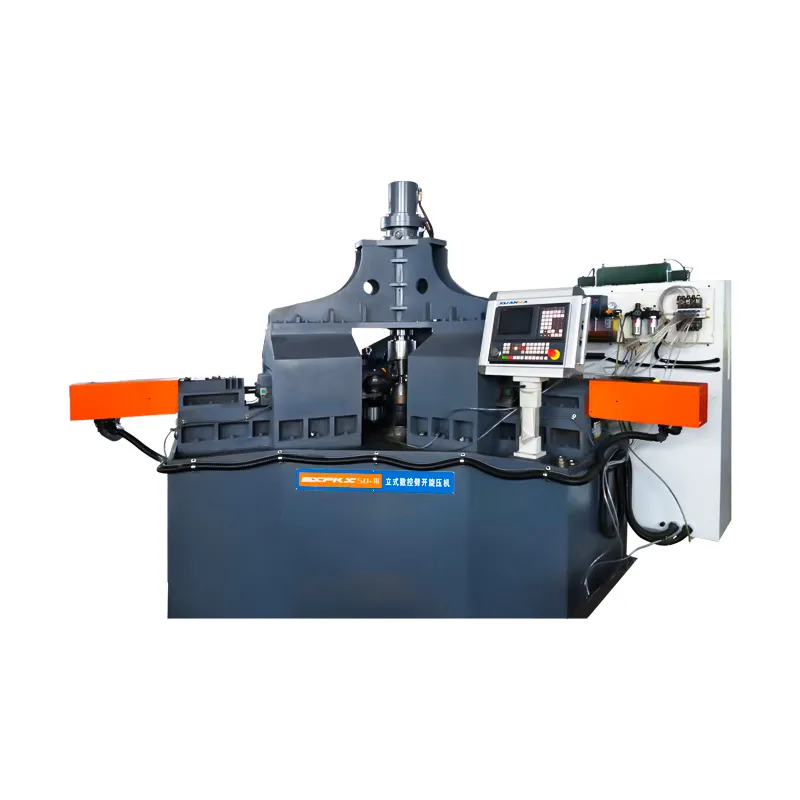
Roller Spinning Machine for Pressure Vessel Manufacturing
A Roller Spinning Machine for Pressure Vessel Manufacturing is a CNC metal-forming machine that uses one or more powered rollers to shape a circular metal blank over a mandrel. It produces pressure-vessel heads, hemispherical ends, conical sections, and other axisymmetric components with controlled wall thickness and repeatable geometry. For manufacturers, the machine can reduce welding, improve
Oct. 14, 2026
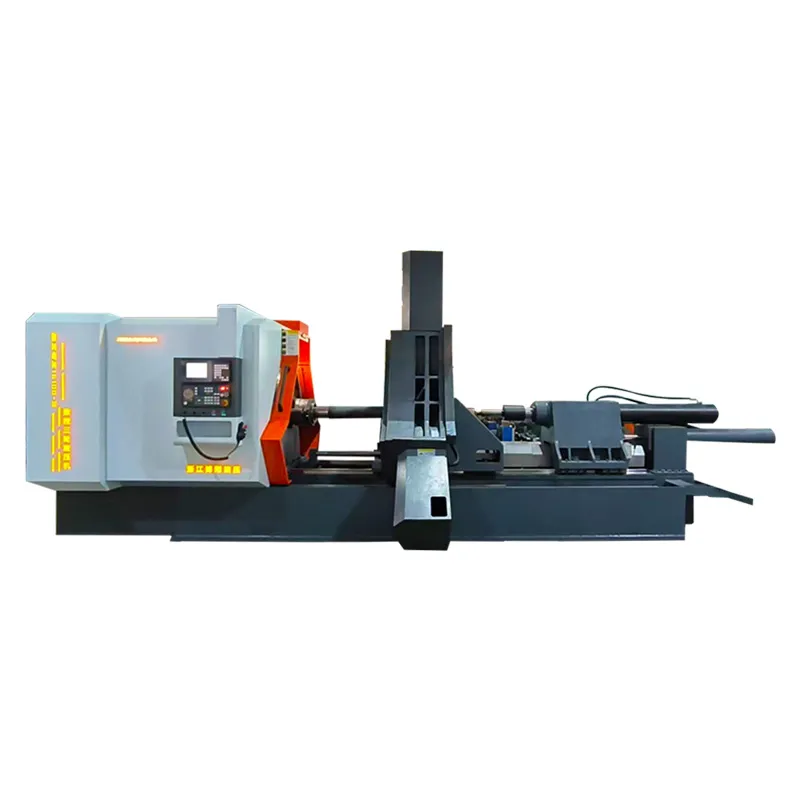
What to Look for When Buying an Automatic Spinning Machine
Manufacturers use Multifunctional CNC Spinning Machines to form round metal parts with controlled pressure instead of cutting away most of the material. This process supports repeatable production of lamps, cookware, aerospace parts, pressure vessels, and automotive components. A CNC metal spinning machine can store tool paths, control spindle speed, and repeat the same profile across many parts.
Oct. 13, 2026
Hot Products
Get the latest solutions for your business from your trusted CNC machine manufacturer
Contact Now


