

May. 14, 2025
Share
As CNC spinning technology becomes more widely used, many products on the market are now manufactured using CNC spinning machines. For example, in the lighting industry, where aluminum and iron are the primary processed materials with stable production, many manufacturers are considering replacing manual labor with automation to reduce labor costs. However, two critical questions arise: Is CNC spinning equipment suitable for automation? And can automated production lines maintain stability?
CNC spinning processes are inherently fully automated under numerical control programming. Most automation retrofits focus on implementing robotic arms for loading and unloading materials. The stability of robotic operations depends on the following two factors:
1. Robotic Gripping Methods and Force for Product Demolding
After spinning, products require a specific demolding force, especially for cylindrical items. The gripping method and force applied by the robotic arm are crucial for successful demolding. Excessive force may deform or scratch aluminum products, while insufficient force risks failed demolding or mid-process drops, causing product damage.
2. Production Stability of CNC Spinning Processes
During prolonged operation, the temperature of molds and spinning wheels increases, affecting demolding force. Additionally, occasional material fractures during production raise concerns about the robotic arm's ability to grip effectively. If a product fails to demold and the robotic arm continues loading materials, residual blanks on the mold will overload the tool wheel, causing rapid temperature spikes in sheets, wheels, and molds, halting production.
Although the stability of CNC spinning automation in mass production still requires improvement, automation remains feasible. Manufacturers can integrate automation designs during the customization phase of CNC spinning machines. After acquiring new equipment, they should avoid immediate automation deployment. Instead, conduct a trial production period to stabilize processes before upgrading to automation, ultimately achieving cost reduction and efficiency improvement.

Latest News in CNC Spinning Machine
Learn More
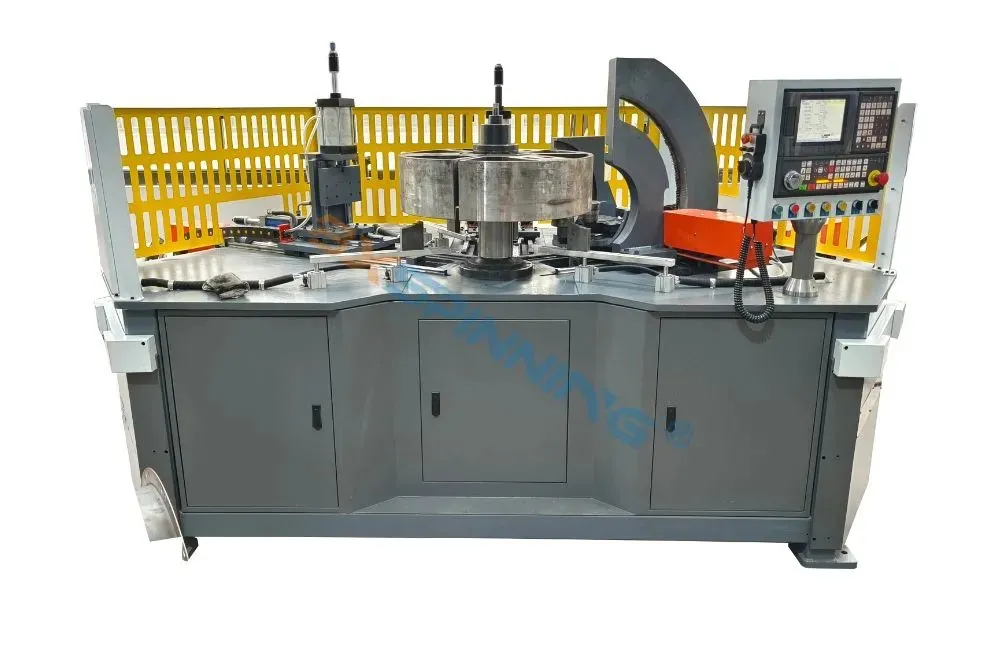
Latest Automation Trends in Wheel Making Machines
As the automotive and transportation industries face a surge in demand for high-quality wheels, the significance of advanced Wheel Making Machines is increasingly pronounced. Manufacturers are grappling with issues such as inefficiencies in production, rising labor costs, and the need for compliance with stringent safety regulations. A recent report from ABC Industry Insights (2023) notes that
Sep. 11, 2026
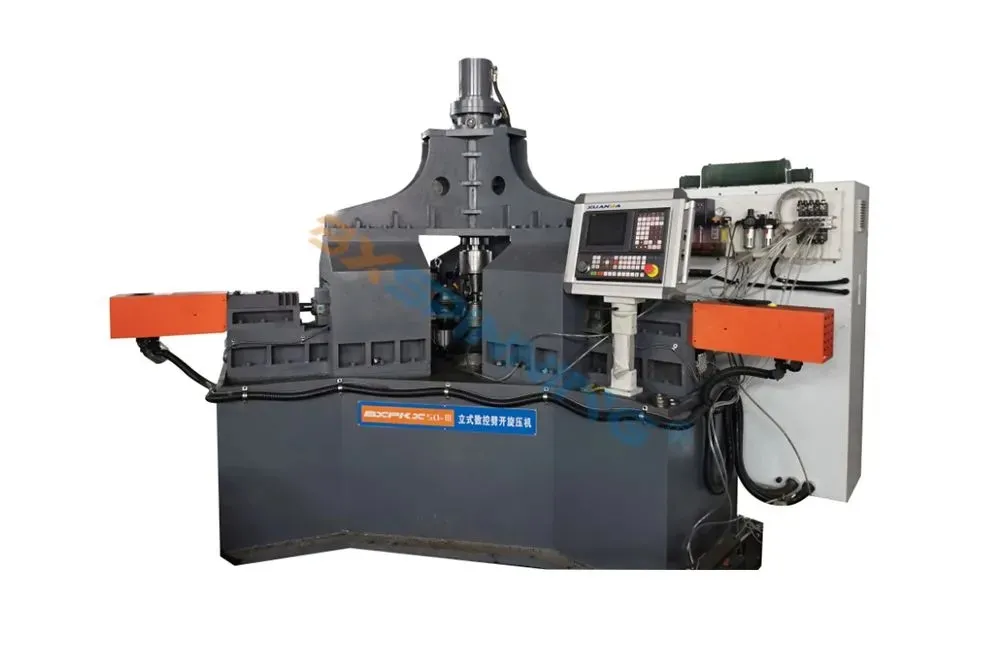
Wheel Making Machine Production Lines: Key Equipment Explained
Wheel making machines are specialized industrial systems designed to produce high-quality wheels for vehicles, machinery, and other applications. These machines automate the fabrication process, ensuring precision, efficiency, and consistency, thus significantly enhancing production capabilities in the automotive and manufacturing industries. Utilizing advanced technology, wheel making machines
Sep. 10, 2026
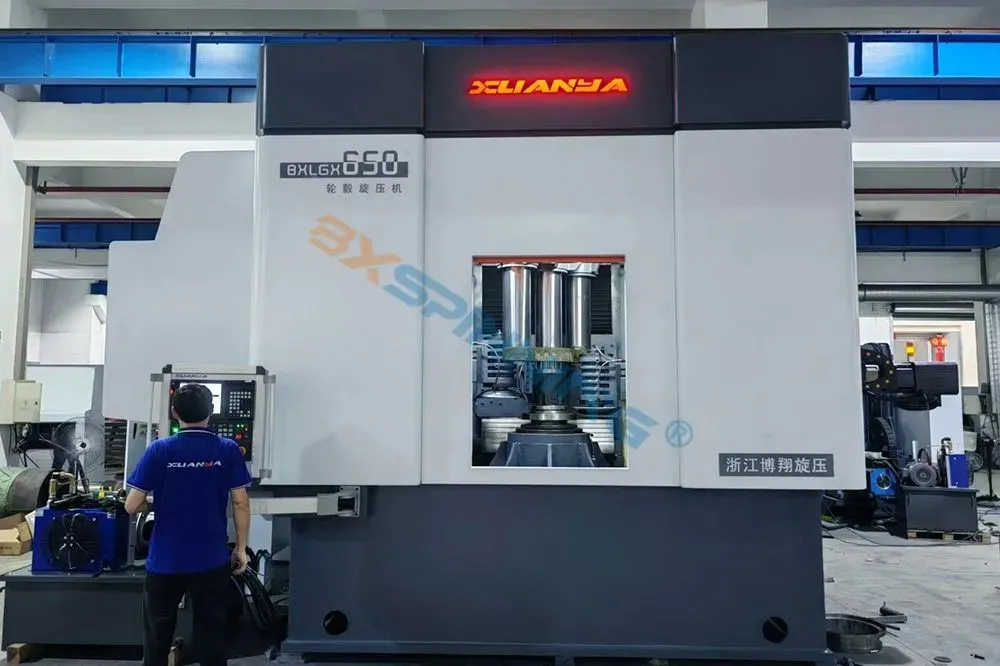
How to Choose Wheel Making Machines for Different Wheel Types
There are various categories of wheel making machines available in the market. Each type is designed to cater to specific requirements:
Sep. 09, 2026
Hot Products
Get the latest solutions for your business from your trusted CNC machine manufacturer
Contact Now


