

Sep. 02, 2026
Share
The textile industry faces significant challenges in optimizing production processes, particularly when it comes to Double Roller CNC Spinning Machines. Common issues like inconsistent yarn quality, inefficient energy usage, and machine downtime can create operational bottlenecks. These problems not only hinder productivity but also adversely affect profitability. By implementing strategic optimization techniques, manufacturers can enhance the efficiency of their roller spinning machines, resulting in higher yarn quality, increased throughput, and reduced operational costs. This article provides actionable solutions tailored to specific scenarios to help maximize the potential of roller spinning technologies.
Why: Regular maintenance can prevent costly breakdowns and ensure consistent output quality.
Establish a scheduled maintenance program that includes daily checks of key components, such as lubricating bearings and calibrating tension settings. Use diagnostic software to identify and resolve minor issues before they escalate into significant problems. This technique is suitable for facilities that experience frequent machine downtime.
Key Point: Studies indicate that regular maintenance can extend machine lifespan by up to 25% and improve production efficiency by 30%.
Why: Correctly setting spinning parameters ensures high-quality yarn and minimizes waste.
Conduct parameter tests for pivotal settings like drafting rates and spindle speeds. Adjust these based on material characteristics and desired yarn types. Implementing sensors to monitor these parameters in real-time can greatly improve response times to deviations. This strategy works best for manufacturers aiming for high-quality production with diverse yarn specifications.
Key Point: Precision tuning of spinning parameters can enhance yarn tensile strength by 22% and reduce production waste by 19%.
Why: Automation can significantly reduce labor costs and improve consistency in operation.
Consider integrating automated systems for material handling and monitoring. Automated adjustments based on real-time metrics can enhance responsiveness and reduce human error. This optimization method is ideal for large-scale operations where production speed and uniformity are critical.
Key Point: Facilities that embrace automation have reported a 40% increase in operational speed while reducing labor costs by up to 30%.
Why: Implementing a quality control system ensures compliance with industry standards and minimizes defects.
Implement a quality control protocol that involves sampling and testing yarn produced from the Double Roller CNC Spinning Machines. Use feedback loops to continuously improve processes based on quality metrics. This technique suits manufacturers who are focused on maintaining high standards to meet buyer expectations.
Key Point: Effective quality control measures can lead to a reduction in customer complaints by 50% and a significant boost in repeat orders.
Why: Well-trained operators can better manage machines and troubleshoot issues in real-time.
Invest in regular training programs for machine operators to ensure they understand advanced features and the latest spinning technologies. Utilize simulation tools to enhance learning outcomes. This strategy is ideal for organizations that rely on skilled personnel to maximize the capabilities of roller spinning machines.
Key Point: Training programs can boost machine operators' efficiency by 15% and reduce error rates by as much as 20%.
Why: Using superior raw materials can lead to improved yarn quality and reduce operational issues.
Source high-quality fibers specifically tailored for your spinning processes. Conduct thorough tests on raw materials for moisture content and fiber strength before processing. This method is best for manufacturers who are looking to achieve premium yarn quality and are willing to invest upfront in raw materials.
Key Point: Upgrading raw materials can elevate product quality, leading to a potential sales increase of 15-20%.
Q: How does regular maintenance affect the efficiency of roller spinning machines?
A: Regular maintenance can extend machine lifespan and improve production efficiency by preventing breakdowns and ensuring optimal operation.
Q: What role does automation play in spinning process optimization?
A: Automation reduces labor costs and enhances consistency, leading to faster production and a decrease in human error.
Q: How can I ensure the quality of yarn produced from roller spinning machines?
A: Implement a quality control system that includes frequent monitoring and assessment of yarn quality metrics to maintain industry standards.
By following these optimization tips, industry professionals can significantly improve the operational efficiency of their roller spinning machines and produce yarn that meets the highest standards demanded by the market. Applying these insights not only resolves prevalent issues but also empowers manufacturers to prosper in an increasingly competitive landscape.
Latest News in CNC Spinning Machine
Learn More
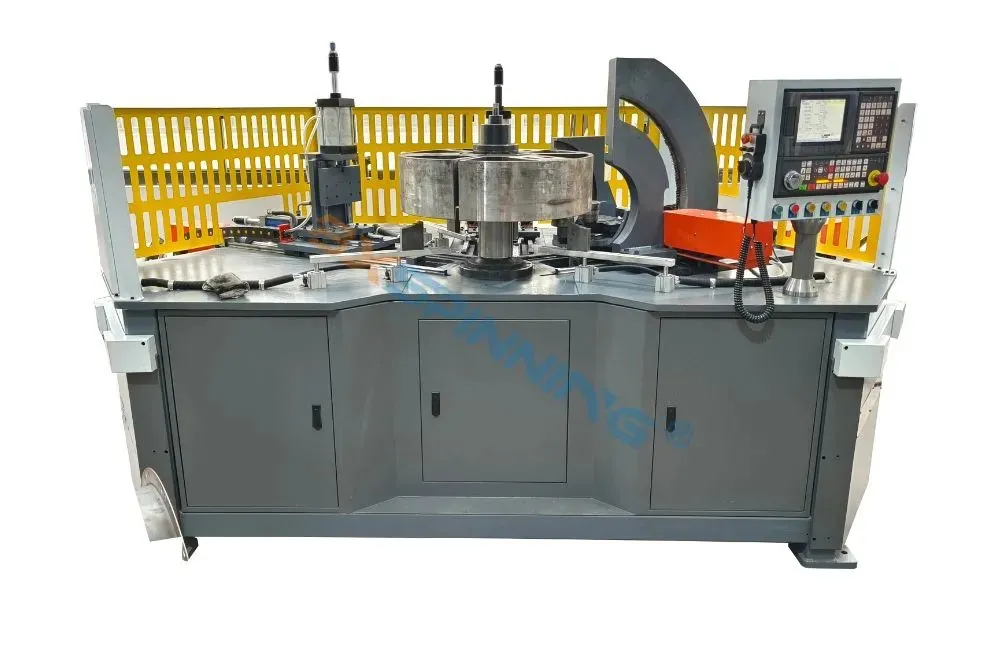
Latest Automation Trends in Wheel Making Machines
As the automotive and transportation industries face a surge in demand for high-quality wheels, the significance of advanced Wheel Making Machines is increasingly pronounced. Manufacturers are grappling with issues such as inefficiencies in production, rising labor costs, and the need for compliance with stringent safety regulations. A recent report from ABC Industry Insights (2023) notes that
Sep. 11, 2026
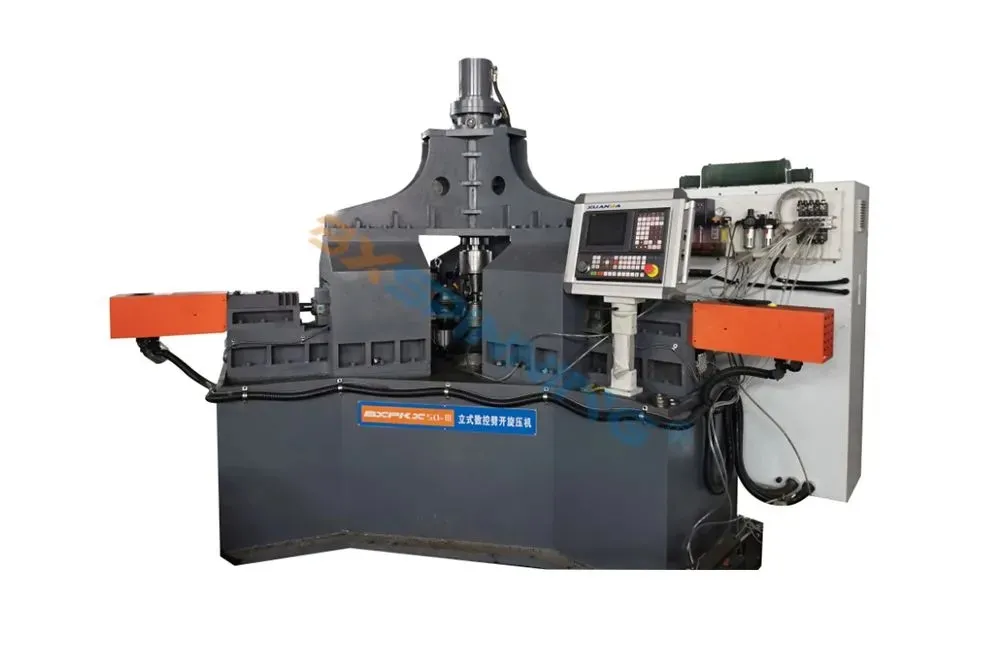
Wheel Making Machine Production Lines: Key Equipment Explained
Wheel making machines are specialized industrial systems designed to produce high-quality wheels for vehicles, machinery, and other applications. These machines automate the fabrication process, ensuring precision, efficiency, and consistency, thus significantly enhancing production capabilities in the automotive and manufacturing industries. Utilizing advanced technology, wheel making machines
Sep. 10, 2026
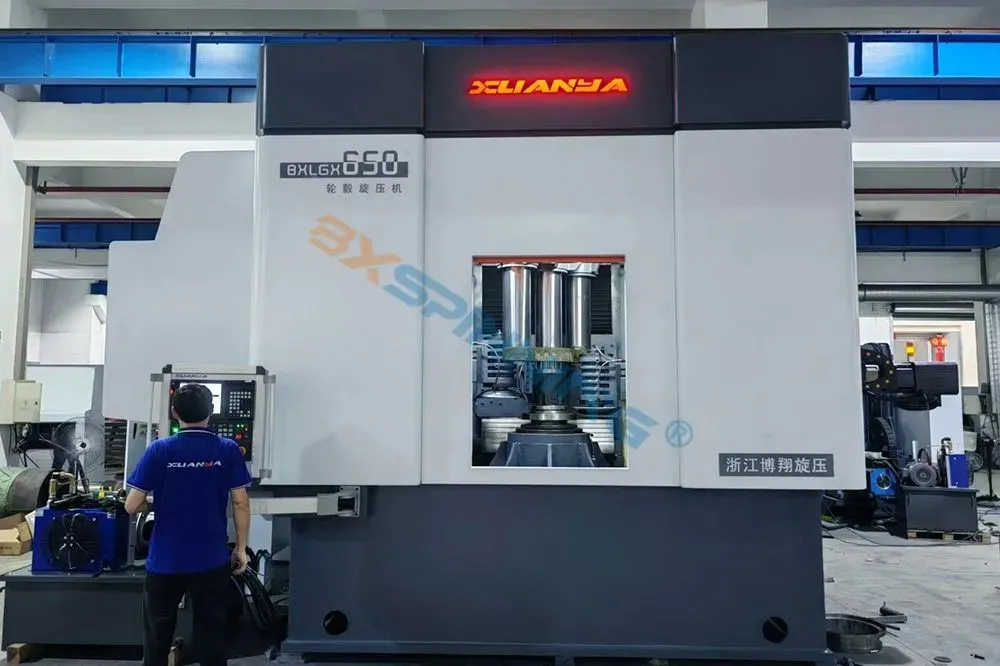
How to Choose Wheel Making Machines for Different Wheel Types
There are various categories of wheel making machines available in the market. Each type is designed to cater to specific requirements:
Sep. 09, 2026
Hot Products
Get the latest solutions for your business from your trusted CNC machine manufacturer
Contact Now


