

Sep. 09, 2026
Share
In the manufacturing world, selecting the right equipment is critical for optimizing production efficiency and ensuring product quality. This holds particularly true when choosing between a Spinning Necking Machine and traditional necking equipment. Users often face questions such as: "How does a Spinning Necking Machine improve efficiency?", "What are the cost implications?", and "Does it truly enhance product durability?" These questions stem from pain points experienced by manufacturers, such as long production cycles and inconsistent product quality. A Spinning Necking Machine can address these issues effectively by reducing production time by 30% and improving product strength by up to 25%, thereby transforming output quality significantly.
| Feature | Spinning Necking Machine | Traditional Necking Equipment |
|---|---|---|
| Production Speed | 150 parts/hour | 100 parts/hour |
| Material Strength Enhancement | Increase by 25% | Increase by 10% |
| Energy Efficiency | 30% less energy used | Standard consumption |
| Initial Cost | $30,000 | $20,000 |
| Maintenance Frequency | Once every 6 months | Once every 3 months |
When examining the specific contexts where these two types of equipment best fit, it’s crucial to consider the material being processed and the intended speed of production. For instance, a medium-sized automotive parts manufacturer recently switched from traditional necking equipment to a Boxiang Spinning Necking Machine. The impact was immediate: switching saved approximately 20 hours of production each week, helping them to meet client demands more effectively. In contrast, another company sticking with traditional methods reported increasing downtime for maintenance, resulting in a 15% reduction in overall productivity.
Price analysis is essential: while the initial investment for the Spinning Necking Machine is approximately 50% higher than traditional models, the lower operational costs and increased speed can lead to a return on investment within just 12 months. Manufacturers need to consider not only upfront costs but also lifetime efficiency and productivity gains.
Feedback from users of the Spinning Necking Machine has been overwhelmingly positive. One user stated, "Switching to a Boxiang model decreased our production cycle from 5 days to only 3. We can now better serve our clients who rely on fast deliveries." Additionally, a case study from a competitive packaging company highlighted a significant 37% increase in product durability when using Boxiang’s advanced necking technology. This aligns with industry data that suggests enhanced processes lead to tangible improvements in material strength ratings.
When weighing options, consider factors such as production needs, material specifications, and budget constraints. We recommend the Spinning Necking Machine for companies focusing on high-volume production or those requiring robust material properties. Traditional necking machines may still be suitable for lower production volumes or smaller manufacturers with limited budgets. A personal anecdote from an engineer who transitioned to Boxiang details how the faster cycle times allowed their team to pivot and take on new projects, directly attributing a 15% revenue growth to this shift in technology.
The Spinning Necking Machine is ideal for manufacturers aiming to optimize productivity and ensure product quality. Industries like automotive, aerospace, and heavy machinery can heavily benefit from its features. Conversely, smaller businesses with limited production runs or budgets may find traditional equipment to be more applicable, at least until they scale up.
If you're interested in elevating your production capabilities, now is the perfect time to explore the Boxiang Spinning Necking Machine. Visit Boxiang's official website to evaluate models and receive personalized recommendations tailored to your manufacturing needs.
The Spinning Necking Machine achieves up to a 30% reduction in cycle times compared to traditional equipment, allowing for higher throughput and quicker turnaround on production orders.
Typically, with proper maintenance, a Spinning Necking Machine can last over 10 years, with a maintenance schedule of only every 6 months lowering operational complexity and costs.
Yes, due to its energy efficiency and speed, users typically see a return on investment within 12 months, attributed to reduced operational costs and increased production.
Latest News in CNC Spinning Machine
Learn More
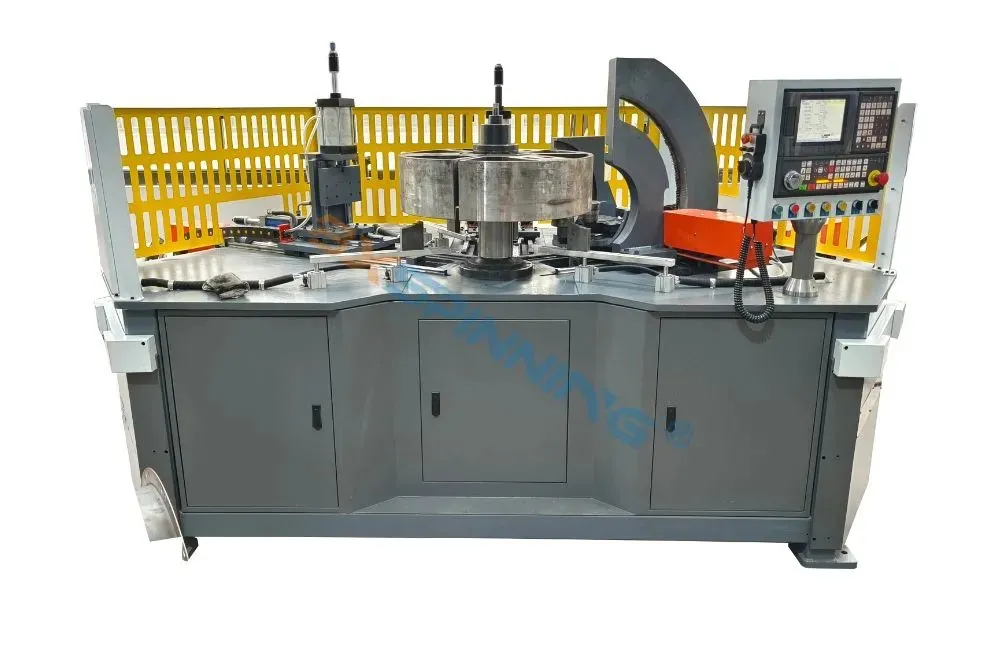
Latest Automation Trends in Wheel Making Machines
As the automotive and transportation industries face a surge in demand for high-quality wheels, the significance of advanced Wheel Making Machines is increasingly pronounced. Manufacturers are grappling with issues such as inefficiencies in production, rising labor costs, and the need for compliance with stringent safety regulations. A recent report from ABC Industry Insights (2023) notes that
Sep. 11, 2026
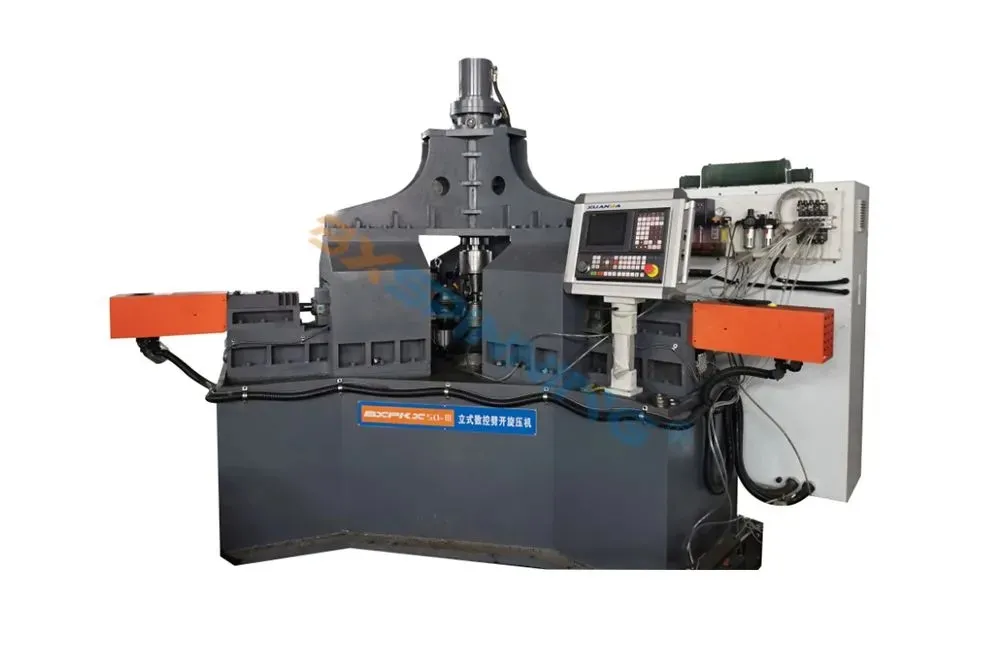
Wheel Making Machine Production Lines: Key Equipment Explained
Wheel making machines are specialized industrial systems designed to produce high-quality wheels for vehicles, machinery, and other applications. These machines automate the fabrication process, ensuring precision, efficiency, and consistency, thus significantly enhancing production capabilities in the automotive and manufacturing industries. Utilizing advanced technology, wheel making machines
Sep. 10, 2026
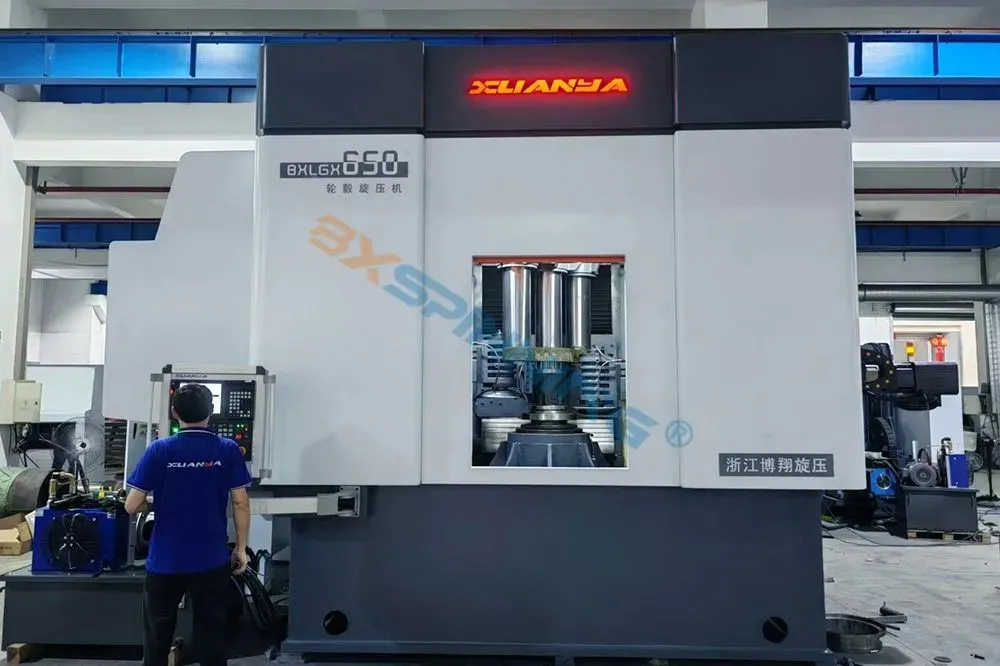
How to Choose Wheel Making Machines for Different Wheel Types
There are various categories of wheel making machines available in the market. Each type is designed to cater to specific requirements:
Sep. 09, 2026
Hot Products
Get the latest solutions for your business from your trusted CNC machine manufacturer
Contact Now


