

Apr. 01, 2026
Share
CNC spinning is a precise manufacturing technique that uses computer numerical control (CNC) technology to shape materials, typically metals, into cylindrical forms. Unlike manual spinning, which relies on human skill and physical effort, CNC spinning machines automatically execute pre-programmed designs with exceptional accuracy—often achieving precision levels of up to 0.01 mm. This leads to consistent end products that meet rigorous industry standards, such as ASTM and DIN. For businesses aiming for high quality and efficiency, understanding CNC spinning is essential for enhancing productivity and maintaining competitive advantage.
Historically, spinning technologies date back centuries, where artisans would rotate a blank piece of material by hand to create functional or decorative components. As industries evolved, the need for efficiency and uniformity drove innovations like CNC technology. This shift not only sped up production times but also significantly reduced material waste, making CNC spinning a critical component in sectors ranging from aerospace to automotive manufacturing.
The practical application of CNC spinning is evident in various industries. For instance, the aerospace sector utilizes CNC spinning to produce lightweight, high-strength components, contributing to enhanced fuel efficiency and reduced emissions. In contrast, the manual spinning process often struggles with precision and repeatability, which are critical in high-stakes environments like aviation. The ability of a CNC spinning machine to operate continuously—often running 24/7—ensures businesses can meet tight deadlines while keeping quality control paramount, as they undergo 100% inspection for defects.
Despite the many benefits, misconceptions about CNC spinning and its advantages over manual approaches persist. One common error is the belief that manual spinning can be equally efficient for small production runs. However, while skilled craftsmen can produce beautiful products, the time and labor costs involved often lead to a higher price per piece, making it less suitable for large-scale production. In contrast, CNC spinning facilitates rapid prototyping and mass production with minimal human intervention, thereby reducing overhead costs significantly.
A notable case study highlighting the advantages of CNC spinning over manual spinning involves Boxiang, a leader in high-precision machining. They recently secured a contract requiring the production of 10,000 aluminum housings for a cutting-edge technology company. Through their CNC spinning machine, Boxiang was able to deliver components on schedule, with an impressively low defect rate of 0.5%. The automation not only enhanced efficiency but also allowed for seamless scalability in production, illustrating the competitive edge that CNC spinning offers.
In summary, CNC spinning presents numerous advantages compared to manual spinning, including unrivaled precision, efficiency, and cost-effectiveness. Businesses looking to improve their manufacturing capabilities and product quality should consider the transition to CNC technologies, reflecting on how companies like Boxiang have successfully harnessed these innovations. For more information on CNC spinning and its myriad benefits, consider exploring resources available about CNC spinning machines at Boxiang's website.

Latest News in CNC Spinning Machine
Learn More
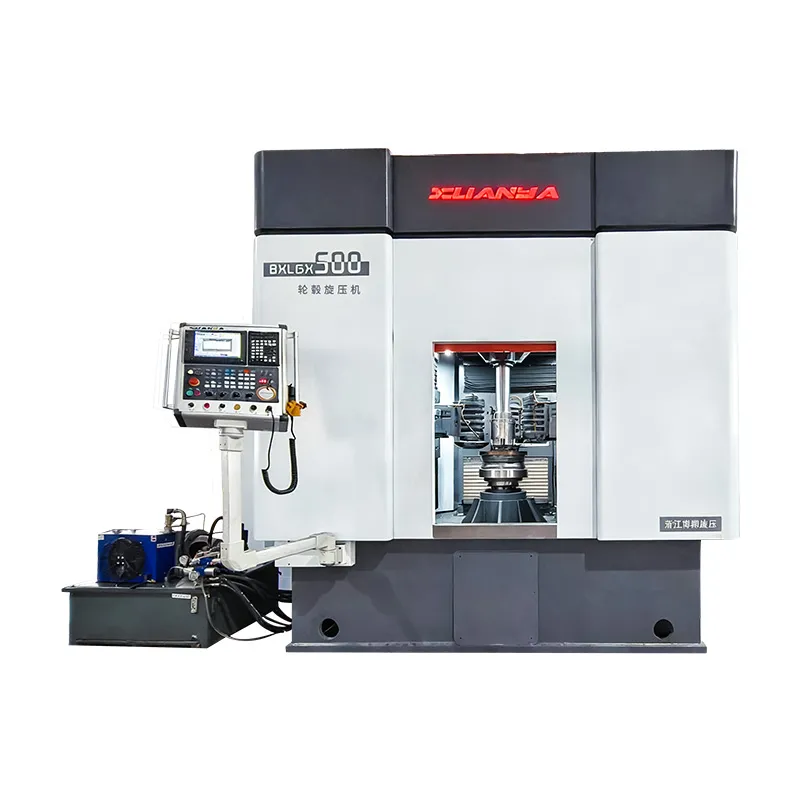
Single Roller vs Multi Roller Automatic Spinning Machine
Choosing the right Automatic Spinning Machine is not simply a matter of comparing roller quantities. Textile manufacturers must also consider yarn quality, production capacity, fiber compatibility, energy use, maintenance workload, operator skill, machine stability, and the total cost of ownership. For buyers comparing single roller and multi roller designs, Boxiang provides a useful starting
Oct. 15, 2026
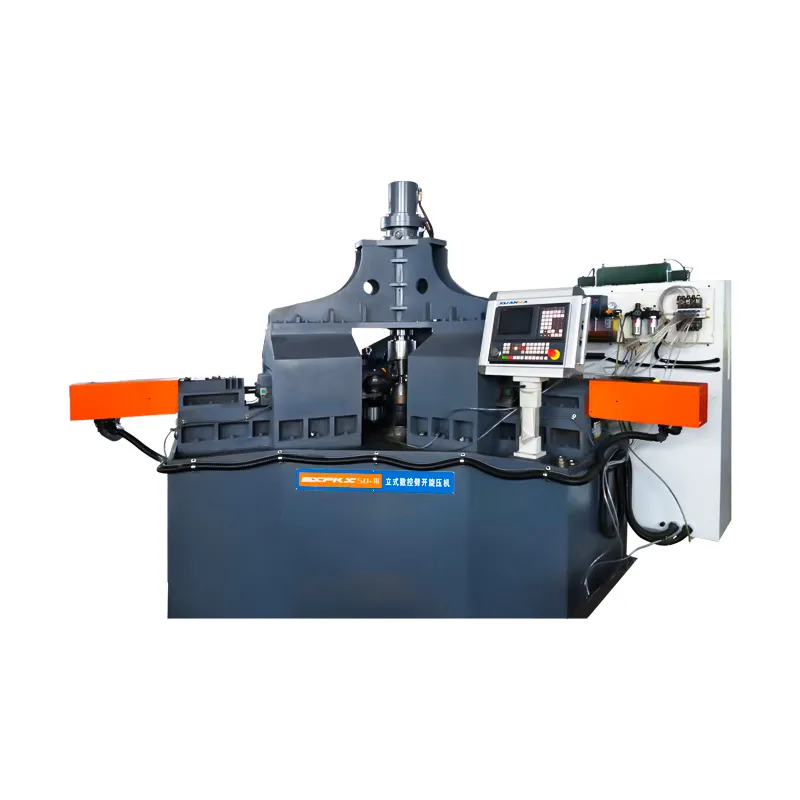
Roller Spinning Machine for Pressure Vessel Manufacturing
A Roller Spinning Machine for Pressure Vessel Manufacturing is a CNC metal-forming machine that uses one or more powered rollers to shape a circular metal blank over a mandrel. It produces pressure-vessel heads, hemispherical ends, conical sections, and other axisymmetric components with controlled wall thickness and repeatable geometry. For manufacturers, the machine can reduce welding, improve
Oct. 14, 2026
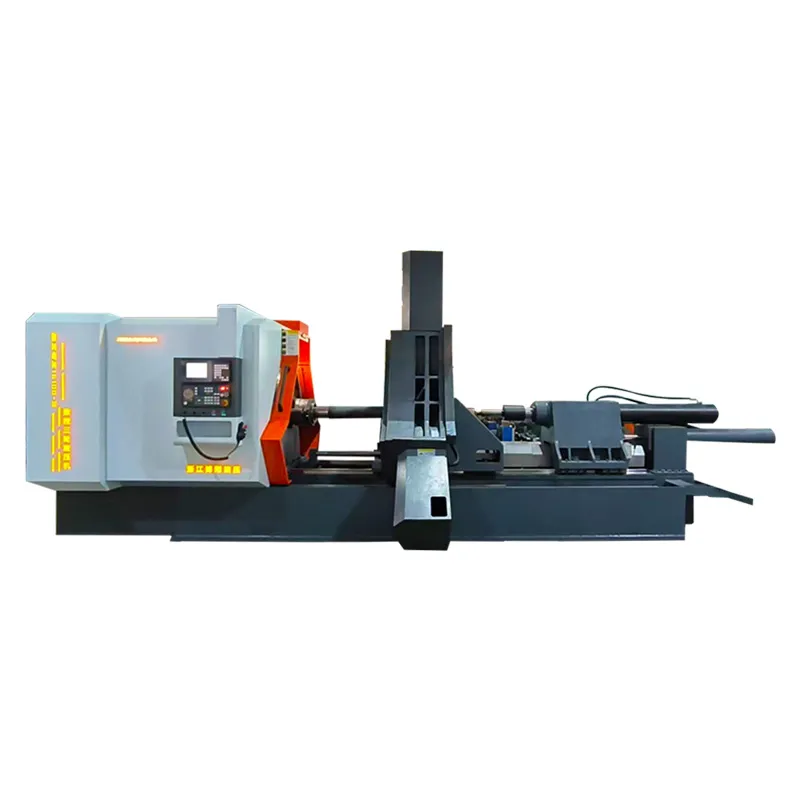
What to Look for When Buying an Automatic Spinning Machine
Manufacturers use Multifunctional CNC Spinning Machines to form round metal parts with controlled pressure instead of cutting away most of the material. This process supports repeatable production of lamps, cookware, aerospace parts, pressure vessels, and automotive components. A CNC metal spinning machine can store tool paths, control spindle speed, and repeat the same profile across many parts.
Oct. 13, 2026
Hot Products
Get the latest solutions for your business from your trusted CNC machine manufacturer
Contact Now


