

Jul. 17, 2026
Share
The CNC Spinning Machine has become a game-changer in the manufacturing landscape, particularly in CNC Spinning Machine China. As industries strive for efficiency and precision, these machines address critical pain points such as high waste material, slow production times, and poor quality control. For instance, manufacturers reported a 45% reduction in waste when using advanced CNC spinning technology compared to traditional methods. The ability to optimize production speed and maintain high-quality standards is crucial for manufacturers aiming to stay competitive in an evolving marketplace. This article delves into the definition, applications, advantages, and next steps for adopting CNC spinning machines.
A CNC Spinning Machine is a precision equipment used in metal forming processes to manufacture seamless, symmetric components—primarily from metals like aluminum, brass, and stainless steel. CNC stands for Computer Numerical Control, meaning these machines operate via programmed instructions that dictate the spinning process, enhancing accuracy and repeatability. Related terms include "closed-loop control" and "adaptive control," which are indicators of technological advancements that allow real-time adjustments to improve precision and reduce production errors.
CNC spinning machines find applications in a myriad of industries, including:
The versatility of CNC spinning machines ensures they are vital in sectors that demand high-quality production at rapid rates.
The significance of CNC spinning machines lies in their numerous advantages:
Precision: Research shows that CNC spinning technology can achieve tolerances as tight as ±0.05 mm, which is crucial in high-tech industries.
Efficiency: Spinning cycles can be completed up to 40% faster than traditional spinning methods, translating to a significant decrease in lead times.
Flexibility: These machines can easily adapt to produce varied designs without needing extensive retooling. This adaptability leads to a more streamlined manufacturing process.
Cost-Effectiveness: Companies have noted an up to 30% reduction in production costs due to minimized waste and faster cycle times when implementing CNC spinning technology.
For manufacturers looking to integrate CNC spinning machines into their operations, the next vital step involves thorough research. This includes reading the user guide provided by industry leaders like Boxiang, which outlines best practices, maintenance schedules, and operational tips. Understanding the nuances of CNC spinning machine operations ensures optimized performance and longevity of the equipment.
Q: What is the typical investment cost for a CNC spinning machine?
A: The investment for a CNC spinning machine can range from $50,000 to over $500,000, depending on the machine's capabilities and specifications.
Q: How does a CNC spinning machine differ from traditional spinning methods?
A: Unlike traditional methods, which rely heavily on manual control and setup, CNC machines utilize computer programs that allow for consistent quality and increased production rates.
Q: Can CNC spinning machines handle multiple materials?
A: Yes, CNC spinning machines are versatile and can work with a range of materials, including various metals and alloys.
In summary, the CNC spinning machine is revolutionizing the manufacturing industry in China by optimizing processes and enhancing product quality. By understanding its definition, application scenarios, and benefits, manufacturers can realize the potential of incorporating this technology into their operations. For those interested, further understanding or trials with the Boxiang brand will provide deeper insights and hands-on experiences. Transitioning to CNC technology is not just an investment in machinery; it's an investment in the future of manufacturing.
Latest News in CNC Spinning Machine
Learn More
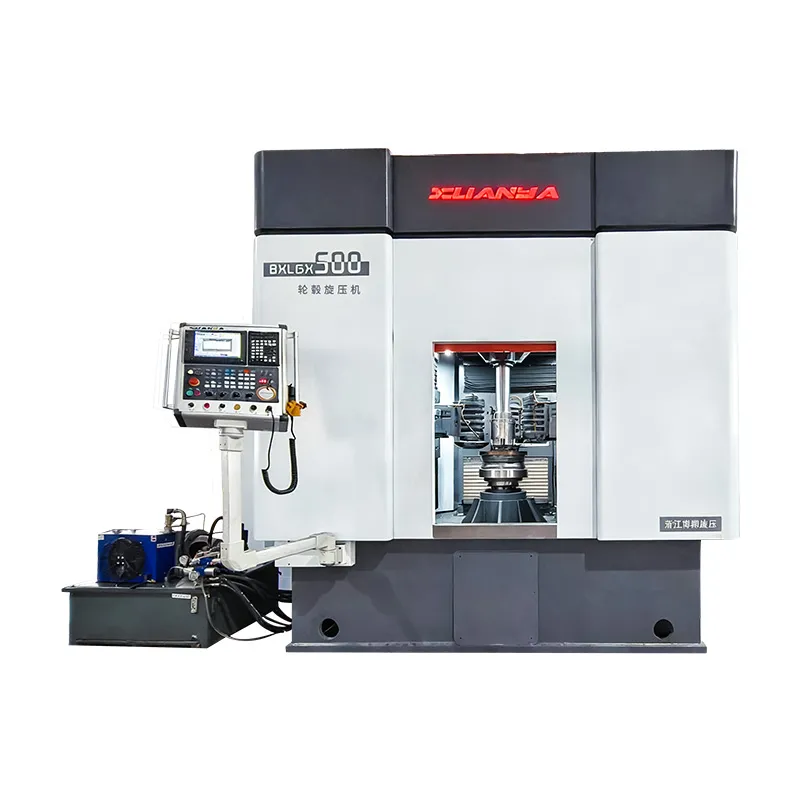
Single Roller vs Multi Roller Automatic Spinning Machine
Choosing the right Automatic Spinning Machine is not simply a matter of comparing roller quantities. Textile manufacturers must also consider yarn quality, production capacity, fiber compatibility, energy use, maintenance workload, operator skill, machine stability, and the total cost of ownership. For buyers comparing single roller and multi roller designs, Boxiang provides a useful starting
Oct. 15, 2026
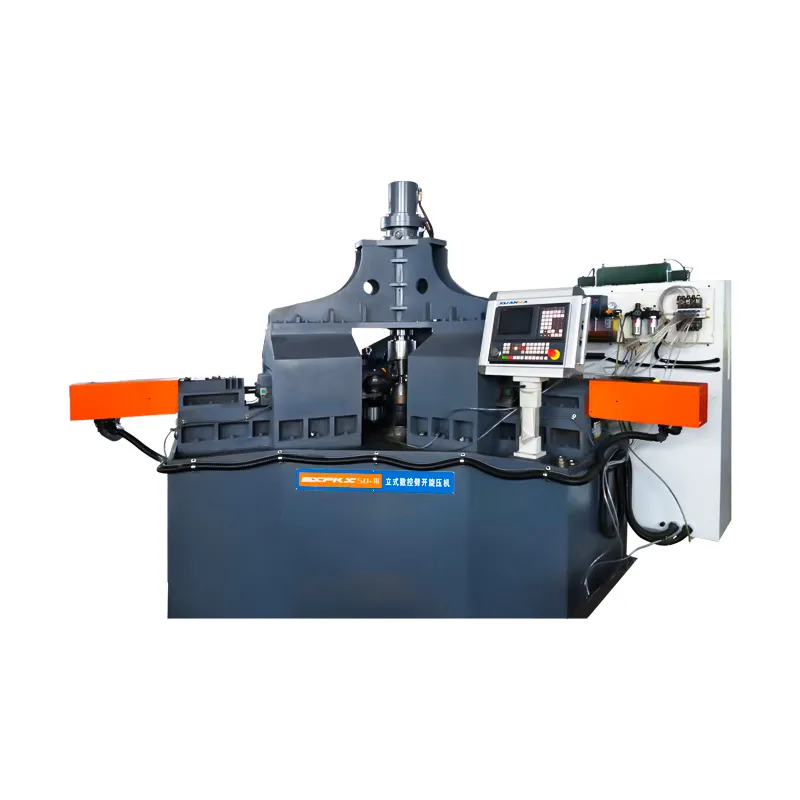
Roller Spinning Machine for Pressure Vessel Manufacturing
A Roller Spinning Machine for Pressure Vessel Manufacturing is a CNC metal-forming machine that uses one or more powered rollers to shape a circular metal blank over a mandrel. It produces pressure-vessel heads, hemispherical ends, conical sections, and other axisymmetric components with controlled wall thickness and repeatable geometry. For manufacturers, the machine can reduce welding, improve
Oct. 14, 2026
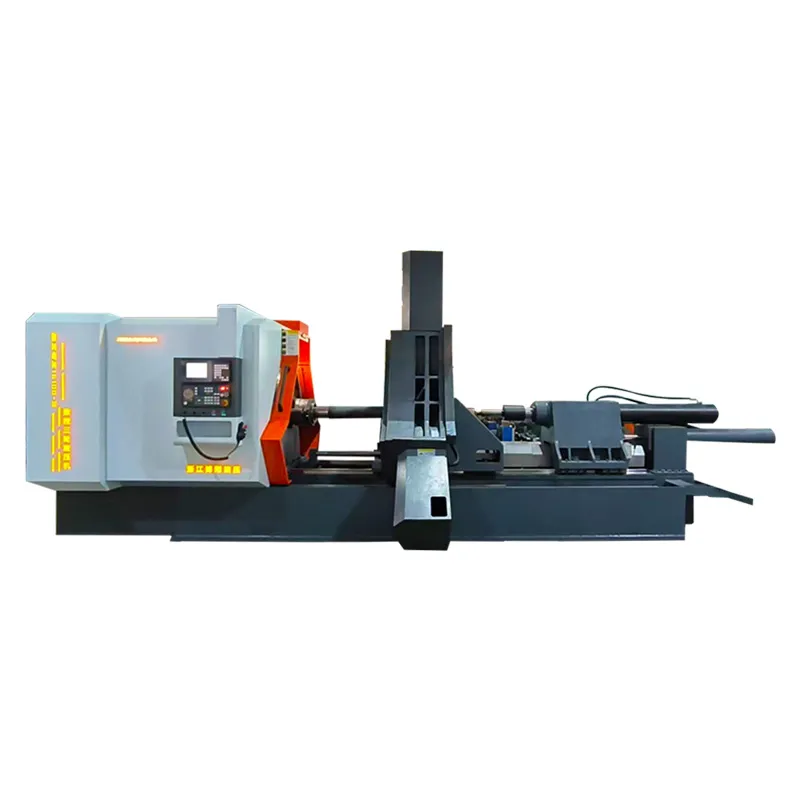
What to Look for When Buying an Automatic Spinning Machine
Manufacturers use Multifunctional CNC Spinning Machines to form round metal parts with controlled pressure instead of cutting away most of the material. This process supports repeatable production of lamps, cookware, aerospace parts, pressure vessels, and automotive components. A CNC metal spinning machine can store tool paths, control spindle speed, and repeat the same profile across many parts.
Oct. 13, 2026
Hot Products
Get the latest solutions for your business from your trusted CNC machine manufacturer
Contact Now


