

Oct. 29, 2025
Share
In the rapidly evolving landscape of manufacturing, CNC Spinning Machines are redefining efficiency and precision, particularly in China, where they have become integral to various industries. This innovative machinery addresses critical pain points faced by manufacturers, such as the need for high precision and reduced labor costs. A CNC Spinning Machine automates the spinning process, utilizing computerized controls to enhance both speed and accuracy, which leads to a significant boost in overall productivity. The advent of these machines not only revolutionizes production lines but also caters to the growing demand for complex geometries and customizable solutions in sectors ranging from aerospace to automotive parts.
A CNC Spinning Machine is a specialized device that employs computer numerical control (CNC) to manipulate a workpiece, allowing for the creation of precise rotationally symmetrical components. The term “spinning” refers to the process where a material, often metal, is shaped through rotation against a forming tool. This method utilizes less material than traditional methods, resulting in up to a 30% decrease in waste. In addition, standard CNC Spinning Machines enhance manufacturing throughput by enabling cycle times of 5-10 times faster than manual spinning approaches, fundamentally altering how manufacturers approach production efficiency.
CNC Spinning Machines find their application across various sectors, including:
Aerospace: Creating lightweight, durable components essential for aircraft and spacecraft.
Automotive: Manufacturing parts like wheels and engine housings with high precision and reduced cycle times.
Energy: Fabricating components for wind turbines and nuclear reactors, where accuracy is paramount.
Medical Devices: Producing specialized components that require both precision and complex shapes.
These machines are vital to enhancing operational efficiency and maintaining quality standards across these industries.
The importance of CNC Spinning Machines lies in their outstanding advantages. Competitively, they deliver:
Increased Precision: Studies indicate that CNC machines operate with precision tolerances of ±0.01 mm, a significant improvement over manual processes.
Cost Efficiency: The automation of the spinning process can reduce labor costs by up to 50%, enabling companies to allocate resources more effectively.
Reduced Waste: With a waste reduction of approximately 30%, these machines contribute to sustainability in manufacturing, aligning with global trends towards eco-friendly processes.
Enhanced Production Speed: With the ability to perform tasks in less than a third of the time traditional methods require, CNC Spinning Machines can massively increase throughput rates, accommodating higher demand.
For manufacturers looking to enhance their output and precision, exploring the capabilities of CNC Spinning Machines is a crucial next step. A closer examination of user guides and product specifications will provide deeper insights into maximizing these machines’ potential. For those interested in quality, the Boxiang brand offers a range of CNC Spinning Machines that cater to different manufacturing needs—ensure to consider them in your procurement strategy.
Q: What industries most commonly use CNC Spinning Machines?
A: They are predominantly utilized in aerospace, automotive, energy, and medical device manufacturing.
Q: Can CNC Spinning Machines handle large-scale production?
A: Yes, they are designed to accommodate both small batch and large-scale production with consistent results.
Q: What are the maintenance requirements for CNC Spinning Machines?
A: Regular maintenance is essential, typically involving lubrication, calibration checks, and software updates to ensure optimal performance.
In summary, CNC Spinning Machines represent a significant advancement in manufacturing technology, and understanding their capabilities will position businesses to take advantage of efficiencies and precision that were previously unattainable.
Latest News in CNC Spinning Machine
Learn More
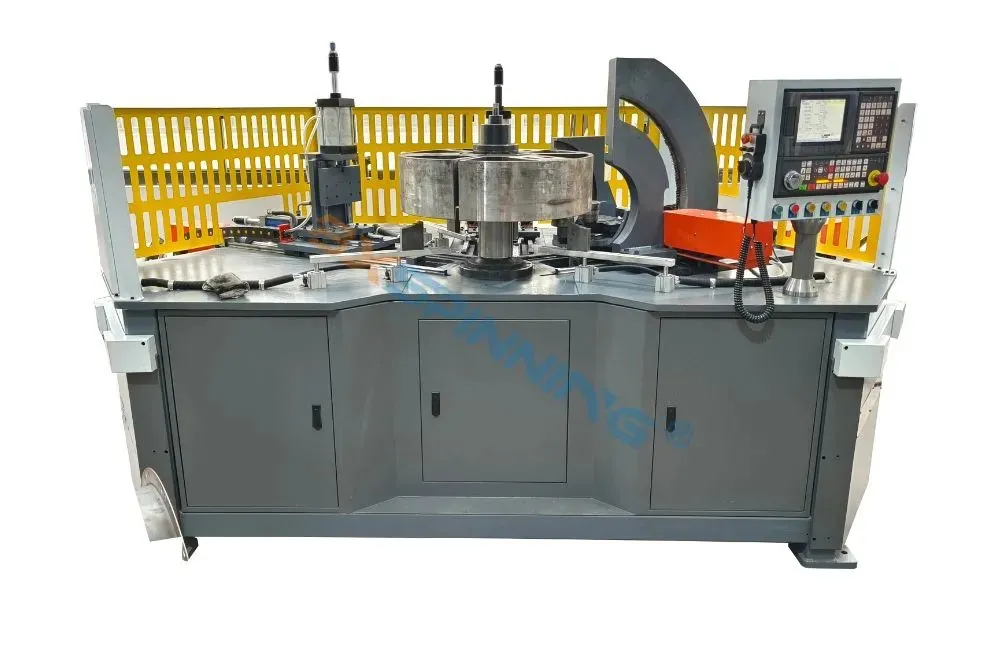
Latest Automation Trends in Wheel Making Machines
As the automotive and transportation industries face a surge in demand for high-quality wheels, the significance of advanced Wheel Making Machines is increasingly pronounced. Manufacturers are grappling with issues such as inefficiencies in production, rising labor costs, and the need for compliance with stringent safety regulations. A recent report from ABC Industry Insights (2023) notes that
Sep. 11, 2026
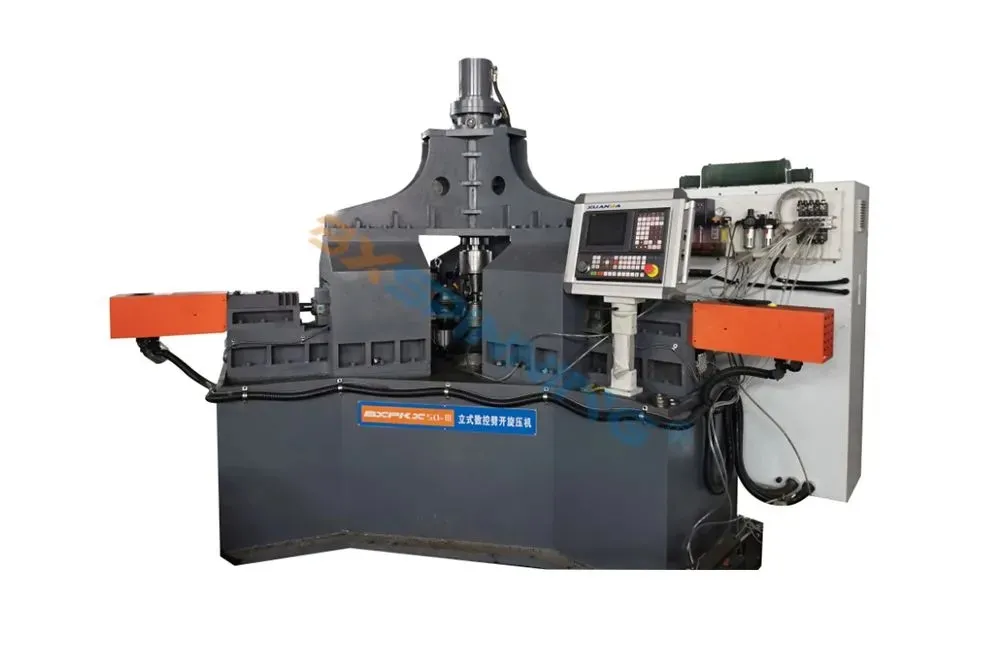
Wheel Making Machine Production Lines: Key Equipment Explained
Wheel making machines are specialized industrial systems designed to produce high-quality wheels for vehicles, machinery, and other applications. These machines automate the fabrication process, ensuring precision, efficiency, and consistency, thus significantly enhancing production capabilities in the automotive and manufacturing industries. Utilizing advanced technology, wheel making machines
Sep. 10, 2026
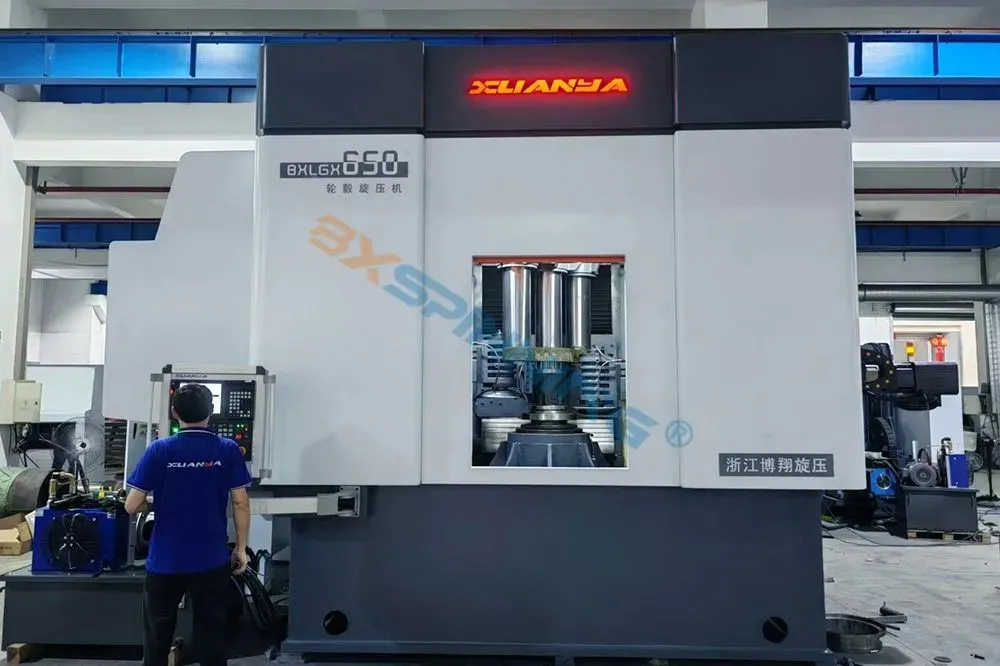
How to Choose Wheel Making Machines for Different Wheel Types
There are various categories of wheel making machines available in the market. Each type is designed to cater to specific requirements:
Sep. 09, 2026
Hot Products
Get the latest solutions for your business from your trusted CNC machine manufacturer
Contact Now


