

Jun. 18, 2026
Share
In the world of manufacturing and metal forming, two key techniques stand out: conventional spinning and shear spinning. Both methods allow for the shaping of metal into desired geometries, but they utilize different principles and processes. Conventional spinning involves mechanically deforming a metal blank around a mandrel, while shear spinning utilizes high-speed rotation that generates shear stress, resulting in a more refined process. This distinction not only impacts the quality of the finished product but also has significant implications for production efficiency and material usage. Understanding these differences is crucial for any business seeking advanced manufacturing solutions, particularly in industries that require precision, like automotive and aerospace.
Historically, conventional spinning has been a cornerstone of metalworking since the advent of the industrial revolution, with roots tracing back to early 1800s techniques. Today, conventional spinning involves using CNC (Computer Numerical Control) systems that offer precision to 0.01mm, allowing manufacturers to create complex shapes reliably. On the other hand, shear spinning, though more recent in its advanced applications, has quickly gained traction due to its efficiency and the reduced force required to manipulate materials. As manufacturers adopt more sophisticated technology such as the CNC Spinning Machine, the discerning choice between these two methods reveals a landscape of opportunity for better resource optimization.
The practical applications of both spinning techniques vary significantly. Conventional spinning is often favored for larger parts that require substantial material input, such as large-diameter tubes and hollows. The American Society for Testing and Materials (ASTM) has established standards for evaluating these processes, ensuring that finished products meet rigorous quality benchmarks. In contrast, shear spinning excels when producing items that require higher dimensional accuracy and thinner walls, making it ideal for components used in precision-engineered products. Companies employing methods such as Boxiang’s CNC Spinning Machine China can achieve smoother surface finishes and tighter tolerances, greatly enhancing the feasibility of final applications.
Yet, misconceptions abound regarding these methodologies. A common error is assuming that conventional spinning is inadequate for high-precision applications. In reality, both methods can achieve acceptable levels of precision, but their effectiveness will depend on the specific requirements of the job at hand. For instance, shear spinning might be misconstrued as the only option for high-performance parts when in fact, conventional spinning can serve just as effectively under certain conditions, provided operators leverage the capabilities of modern CNC equipment effectively.
To illustrate these points, consider a case study involving automotive components production. A manufacturer required a series of aluminum parts with varying wall thicknesses. Implementing the shear spinning technique through a CNC Spinning Machine not only reduced production time by 40% but also yielded components that consistently met the necessary weight specifications without compromising strength—championing the value of selecting the right spinning technique based on material and design needs.
In summary, the distinction between conventional spinning and shear spinning lies in their approach to shaping metals, with each offering unique advantages. The evolution from traditional methods to sophisticated CNC capabilities, particularly through manufacturers like Boxiang, underscores the importance of aligning production methods with project requirements. By understanding the strengths and applications of these spinning processes, businesses can make informed decisions that enhance productivity and quality in their manufacturing workflows. Explore these techniques further to determine which best meets your operational goals, and consider leveraging advanced solutions like CNC Spinning Machine China to take your production to the next level.
Latest News in CNC Spinning Machine
Learn More
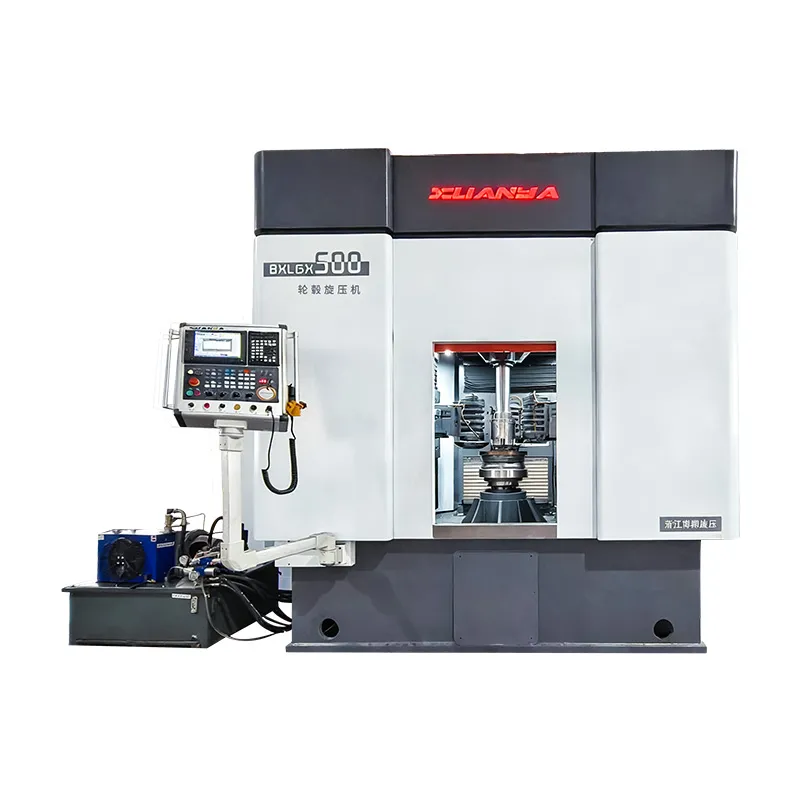
Single Roller vs Multi Roller Automatic Spinning Machine
Choosing the right Automatic Spinning Machine is not simply a matter of comparing roller quantities. Textile manufacturers must also consider yarn quality, production capacity, fiber compatibility, energy use, maintenance workload, operator skill, machine stability, and the total cost of ownership. For buyers comparing single roller and multi roller designs, Boxiang provides a useful starting
Oct. 15, 2026
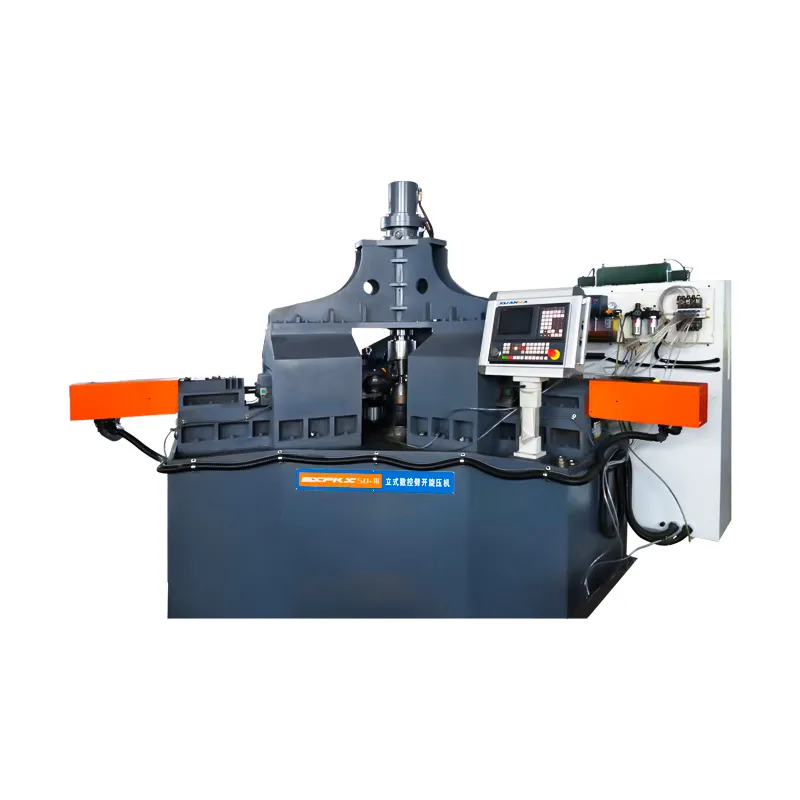
Roller Spinning Machine for Pressure Vessel Manufacturing
A Roller Spinning Machine for Pressure Vessel Manufacturing is a CNC metal-forming machine that uses one or more powered rollers to shape a circular metal blank over a mandrel. It produces pressure-vessel heads, hemispherical ends, conical sections, and other axisymmetric components with controlled wall thickness and repeatable geometry. For manufacturers, the machine can reduce welding, improve
Oct. 14, 2026
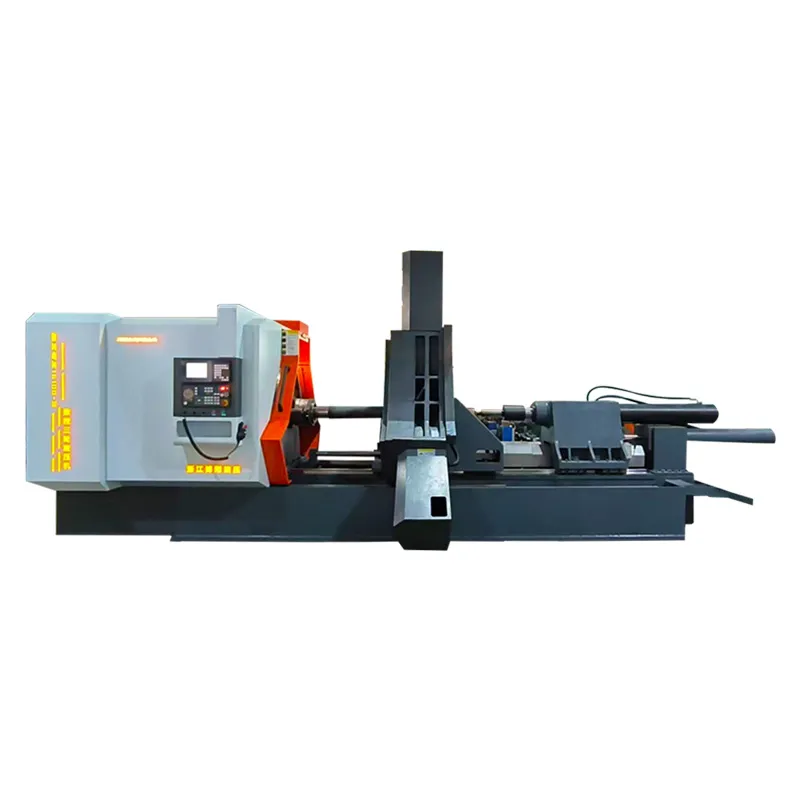
What to Look for When Buying an Automatic Spinning Machine
Manufacturers use Multifunctional CNC Spinning Machines to form round metal parts with controlled pressure instead of cutting away most of the material. This process supports repeatable production of lamps, cookware, aerospace parts, pressure vessels, and automotive components. A CNC metal spinning machine can store tool paths, control spindle speed, and repeat the same profile across many parts.
Oct. 13, 2026
Hot Products
Get the latest solutions for your business from your trusted CNC machine manufacturer
Contact Now


