

Jul. 17, 2026
Share
In the rapidly evolving world of manufacturing, the CNC Spinning Machine presents a significant advancement in the production of intricate parts. Particularly in China, where manufacturing capabilities are constantly being refined, the CNC spinning machine addresses critical pain points, such as efficiency and precision. With its ability to produce components with a maximum forming diameter of up to 2 meters and thicknesses ranging from 1 mm to 50 mm, this technology offers manufacturers a solution for high-quality production at reduced costs. Implementing CNC spinning machines in manufacturing not only enhances the overall performance but also supports innovation by enabling the production of complex geometric shapes that meet the stringent demands of modern industries.
CNC (Computer Numerical Control) spinning machines are advanced machining tools that use computer software to control the spinning of a workpiece on a lathe. This process produces high-tolerance components with excellent surface finishes. The term “spinning” refers to a forming technique where metal is gradually shaped into the desired form as it rotates against a stationary tool. This method is particularly significant in industries such as aerospace, automotive, and manufacturing where precision and quality are paramount.
The CNC spinning process optimizes material usage, reducing waste by approximately 30% compared to traditional methods, as per a report from TechNavio. CNC technology also ensures consistency, with a rejection rate of less than 1% on products, highlighting its reliability compared to manual processes. Furthermore, studies have shown that CNC spinning machines can produce parts with a surface finish improvement of up to 70%, making them especially valuable in high-end applications.
CNC spinning machines are indispensable across multiple fields:
The adaptability of CNC spinning machines allows manufacturers to shift seamlessly between these applications, ultimately saving time and costs while maintaining high quality.
The application of CNC spinning machines offers several advantages:
Precision: These machines achieve tolerances of ±0.1 mm, making them perfect for industries that require meticulous specifications.
Efficiency: With the capability to operate continuously, CNC spinning machines can increase production rates by up to 50%, compared to manual machining processes.
Material Versatility: Capable of working with various metals such as aluminum, copper, and steel, thus serving diversified manufacturing needs.
Cost-Effectiveness: The reduction in waste and increased speed directly contribute to lowering production costs, often reporting savings of up to 25% in overall material costs.
Given these remarkable benefits, businesses that adopt CNC spinning machines can foresee a considerable enhancement in their production quality and operational efficiency.
As you consider integrating a CNC spinning machine into your operations, it is essential to review the user guide provided by Boxiang. This guide outlines setup procedures, operational tips, and maintenance practices to ensure you maximize your investment. Understand the machine's full capabilities, including adjustments for various material types and thicknesses, to best suit your production needs.
1. What is the maximum forming diameter and thickness of a CNC spinning machine?
Most CNC spinning machines maintain a maximum forming diameter of up to 2 meters with thickness capabilities that vary from 1 mm to 50 mm, depending on the model.
2. How does CNC spinning compare to other manufacturing methods?
CNC spinning provides enhanced precision, efficiency, and material usage compared to traditional casting processes, which often generate more waste and require additional finishing work.
3. What materials can be used with a CNC spinning machine?
Common materials include various grades of metals such as aluminum, steel, and copper, along with some plastics, making them versatile across different industries.
4. Can I try a CNC spinning machine before purchasing?
Yes, companies like Boxiang often offer trial periods or demonstrations to familiarize you with the machine's functions and capabilities before commitment.
To delve into more information regarding the capabilities and features of CNC spinning machines, consider exploring Boxiang’s offerings or directly contacting them for personalized assistance. Their expertise can help guide your choice and application of this innovative technology in your production line.
Latest News in CNC Spinning Machine
Learn More
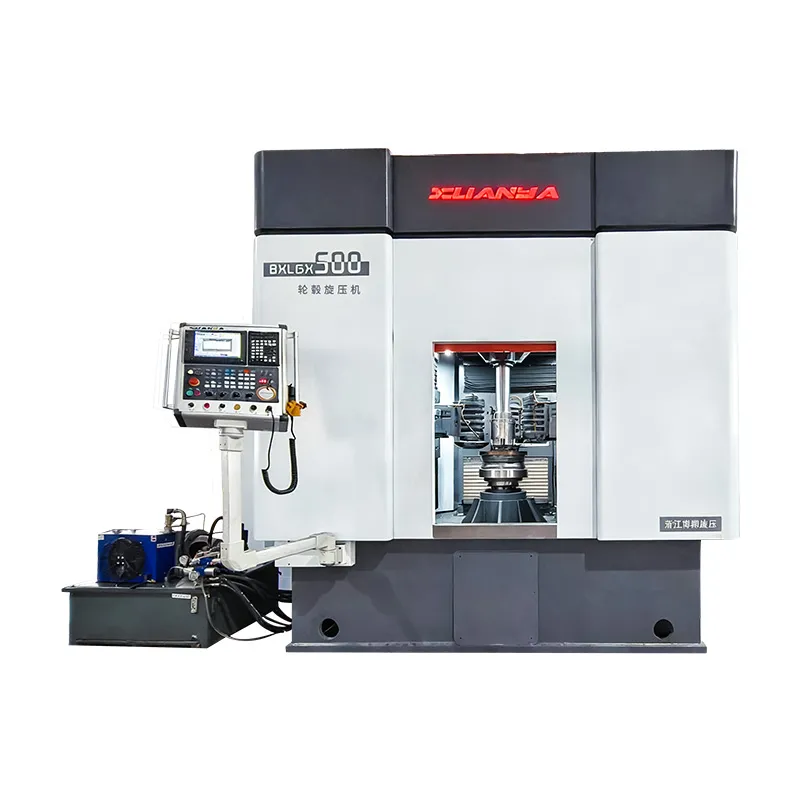
Single Roller vs Multi Roller Automatic Spinning Machine
Choosing the right Automatic Spinning Machine is not simply a matter of comparing roller quantities. Textile manufacturers must also consider yarn quality, production capacity, fiber compatibility, energy use, maintenance workload, operator skill, machine stability, and the total cost of ownership. For buyers comparing single roller and multi roller designs, Boxiang provides a useful starting
Oct. 15, 2026
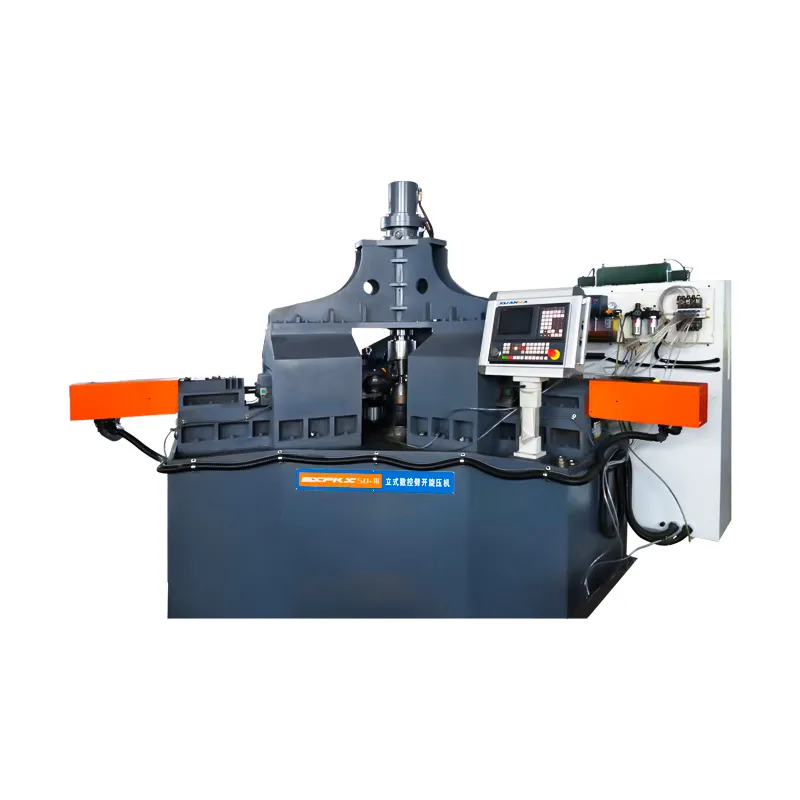
Roller Spinning Machine for Pressure Vessel Manufacturing
A Roller Spinning Machine for Pressure Vessel Manufacturing is a CNC metal-forming machine that uses one or more powered rollers to shape a circular metal blank over a mandrel. It produces pressure-vessel heads, hemispherical ends, conical sections, and other axisymmetric components with controlled wall thickness and repeatable geometry. For manufacturers, the machine can reduce welding, improve
Oct. 14, 2026
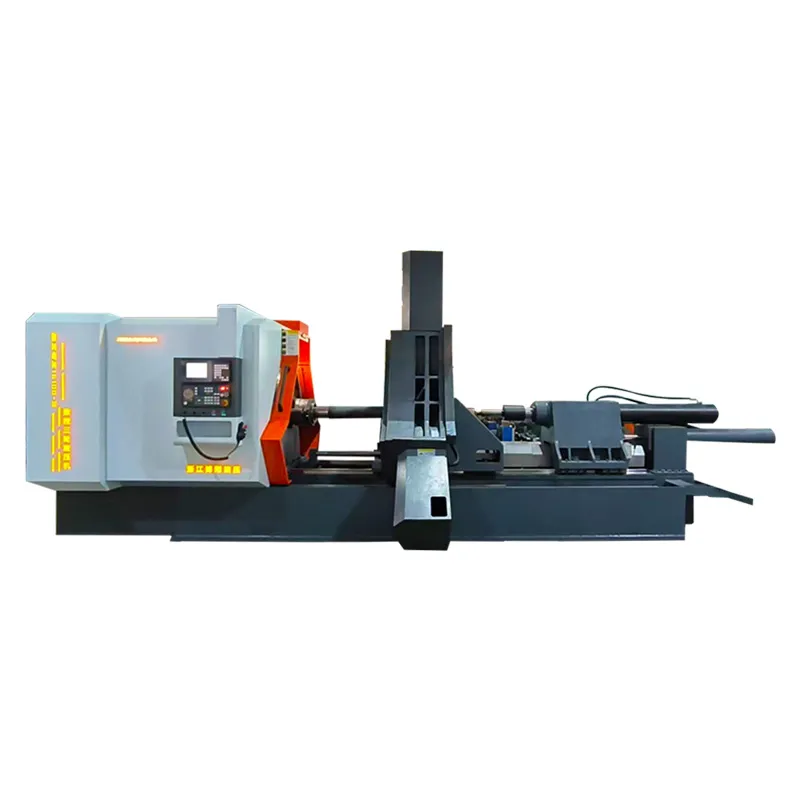
What to Look for When Buying an Automatic Spinning Machine
Manufacturers use Multifunctional CNC Spinning Machines to form round metal parts with controlled pressure instead of cutting away most of the material. This process supports repeatable production of lamps, cookware, aerospace parts, pressure vessels, and automotive components. A CNC metal spinning machine can store tool paths, control spindle speed, and repeat the same profile across many parts.
Oct. 13, 2026
Hot Products
Get the latest solutions for your business from your trusted CNC machine manufacturer
Contact Now


