

Jun. 18, 2026
Share
In today’s fast-paced manufacturing environment, efficiency and precision are paramount. This is where the Roller Spinning Machine comes into play, serving as a pivotal tool in the textile and materials processing industry. With its ability to turn raw materials into high-quality fibers, the roller spinning machine significantly reduces production time and increases output quality. Recent advancements allow it to handle various materials including cotton, polyester, and even blends, catering to diverse manufacturing needs.
As industries strive to meet higher standards, the importance of the roller spinning machine cannot be overstated. Not only does it address common pain points such as low production rates and material wastage, but it also enables manufacturers to remain competitive. For instance, companies utilizing this technology have reported a 30% increase in efficiency and a 25% reduction in material waste, making it a game-changer in processing.
A roller spinning machine is a sophisticated piece of machinery designed for the continuous production of spun yarn. Unlike traditional spinning methods, it utilizes the roller spinning process where the fibers are aligned and twisted to form a cohesive strand of yarn. This method is particularly advantageous for producing fine yarns with better strength and uniformity.
In industry terms, the machine leverages the principle of "drafting" where the fibers are drawn under tension while being twisted together. Research indicates that yarn produced through this method demonstrates a tensile strength improvement of up to 50% compared to other spinning techniques. This efficacy creates superior products that meet stringent market demands, especially where reliability is crucial.
Roller spinning machines find application in various sectors within textile manufacturing. Here are three notable fields:
Textile Production: Primarily used for producing yarns for weaving and knitting, they cater to both natural and synthetic fibers, enhancing versatility.
Automotive Industry: In the production of automotive textiles, such as seat covers and interior lining, which require durable and lightweight materials.
Industrial Fabrics: Used in manufacturing geotextiles and medical textiles where high strength and precise specifications are necessary.
The adaptability of roller spinning machines to these diverse fields showcases their importance in modern manufacturing processes.
The significance of roller spinning machines extends beyond their basic functionality. Here are three key advantages:
Efficiency: Roller spinning machines enable a production speed of up to 200 meters per minute. This is crucial in meeting the high demand in the textile market, allowing manufacturers to stay ahead of competition.
Quality Control: The precision of the roller spinning process ensures that yarns are not only strong but also uniform in thickness. This quality consistency leads to fewer defects and improved product reliability.
Cost-Effective: By reducing waste and increasing production rates, the overall manufacturing costs can decrease by an estimated 20%. This economic advantage empowers businesses to reinvest in further innovations.
To fully utilize the potential of roller spinning machines, manufacturers are encouraged to consult the user guide provided by leading brands like Boxiang. Understanding settings, maintenance protocols, and operational techniques is vital for optimizing performance. Engaging with technical support will also help resolve any issues that arise, ensuring smooth operation.
Q1: What materials can be processed by a roller spinning machine?
A1: Roller spinning machines can process various materials, including cotton, polyester, and blends, making them versatile for different applications.
Q2: How does roller spinning compare to traditional spinning methods?
A2: Roller spinning generally offers higher yield rates, improved strength, and better quality consistency compared to traditional spinning techniques.
Q3: Where can I purchase a roller spinning machine?
A3: It is advisable to consult manufacturers like Boxiang for robust and efficient roller spinning machines tailored to your production needs.
To deepen your understanding and experience with the roller spinning machine, consider a trial or demo with Boxiang. Embrace the innovation that this machinery brings to your production line, optimizing both quality and efficiency.
Latest News in CNC Spinning Machine
Learn More
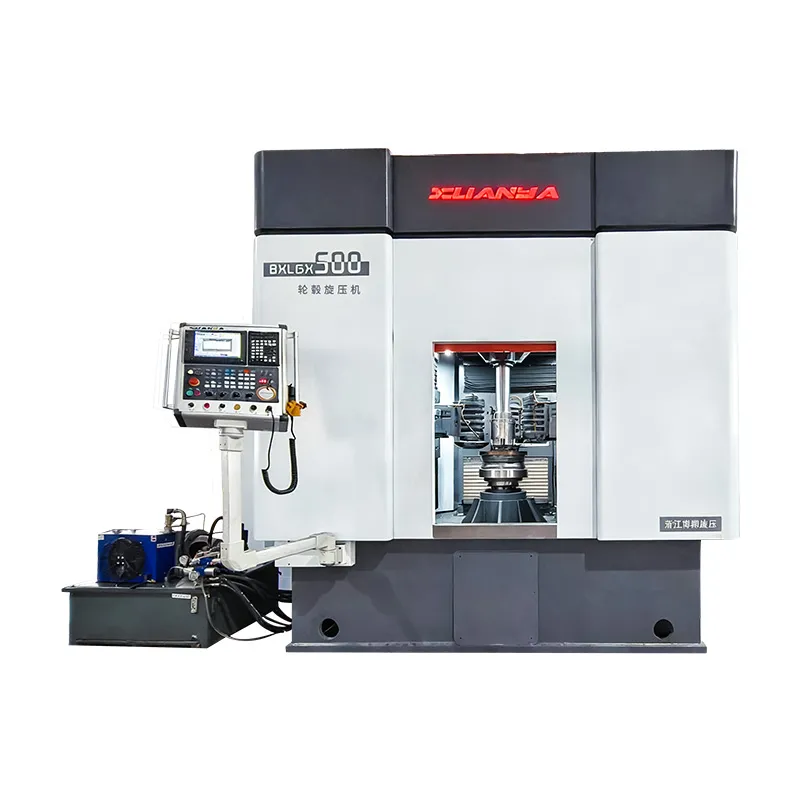
Single Roller vs Multi Roller Automatic Spinning Machine
Choosing the right Automatic Spinning Machine is not simply a matter of comparing roller quantities. Textile manufacturers must also consider yarn quality, production capacity, fiber compatibility, energy use, maintenance workload, operator skill, machine stability, and the total cost of ownership. For buyers comparing single roller and multi roller designs, Boxiang provides a useful starting
Oct. 15, 2026
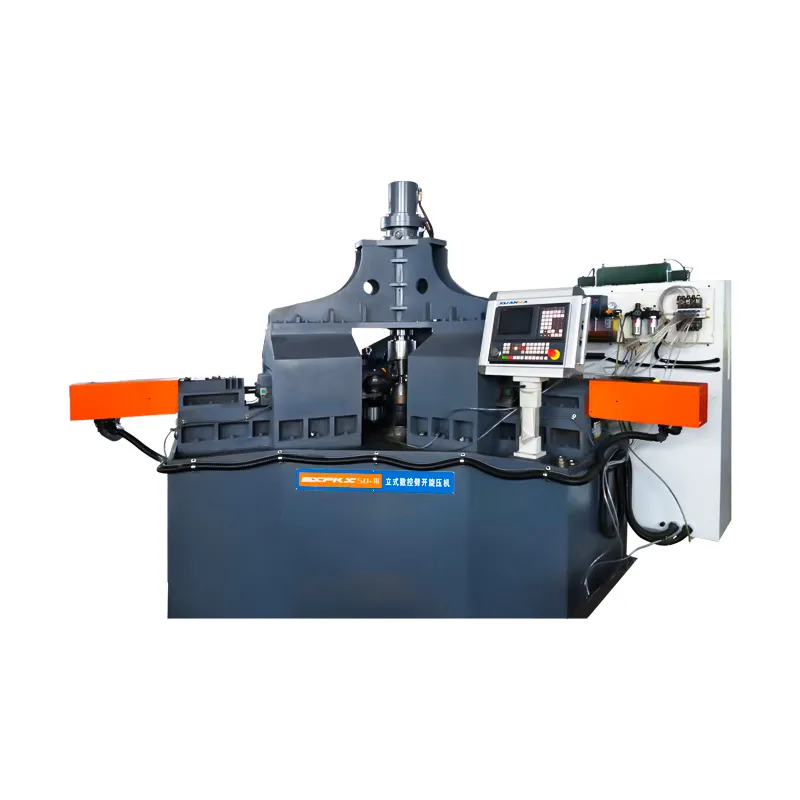
Roller Spinning Machine for Pressure Vessel Manufacturing
A Roller Spinning Machine for Pressure Vessel Manufacturing is a CNC metal-forming machine that uses one or more powered rollers to shape a circular metal blank over a mandrel. It produces pressure-vessel heads, hemispherical ends, conical sections, and other axisymmetric components with controlled wall thickness and repeatable geometry. For manufacturers, the machine can reduce welding, improve
Oct. 14, 2026
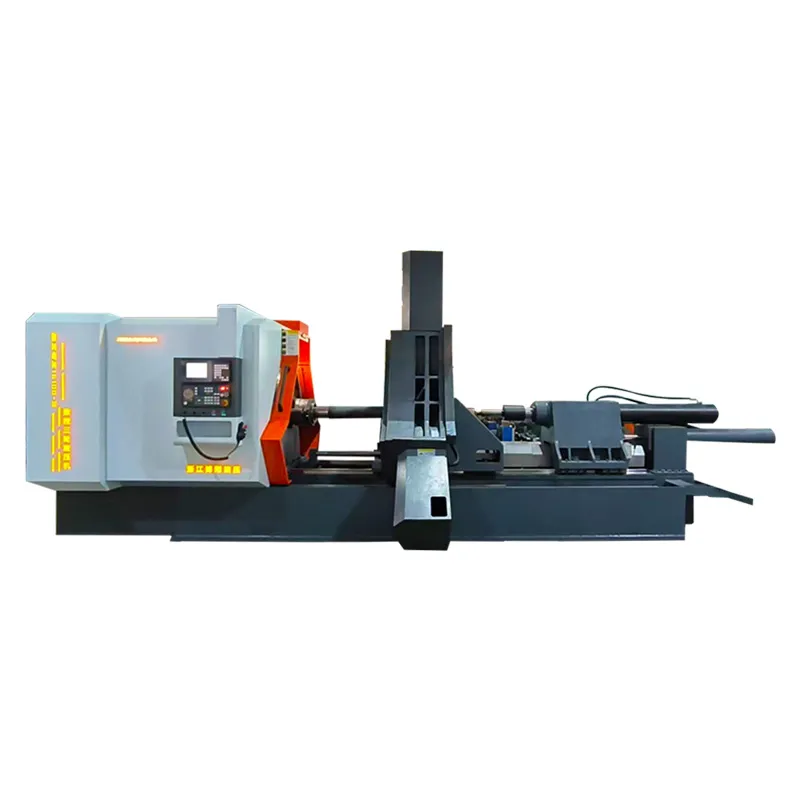
What to Look for When Buying an Automatic Spinning Machine
Manufacturers use Multifunctional CNC Spinning Machines to form round metal parts with controlled pressure instead of cutting away most of the material. This process supports repeatable production of lamps, cookware, aerospace parts, pressure vessels, and automotive components. A CNC metal spinning machine can store tool paths, control spindle speed, and repeat the same profile across many parts.
Oct. 13, 2026
Hot Products
Get the latest solutions for your business from your trusted CNC machine manufacturer
Contact Now


